Is Leather a Fabric in an Upholstery Specification?
The answer depends on how broadly the word fabric is being used. A shop category might mean any flexible covering material. A material schedule needs a narrower description so that the buyer, supplier, cutting team and testing laboratory are discussing the same product.
Leather Working Group’s terminology guide identifies leather by its animal-hide or skin origin and substantially retained fibrous structure. It also distinguishes finishes and split materials. This is different from specifying a textile by its yarn or fibre construction. Use the terminology applicable to the product rather than treating every leather-looking sheet as the same material.
For example, a furniture brief that says only “brown leather fabric” leaves the material family unresolved. It tells the supplier something about the desired appearance, but not whether animal-hide material is required or a coated textile is acceptable. Resolve that choice before requesting a firm material quotation.
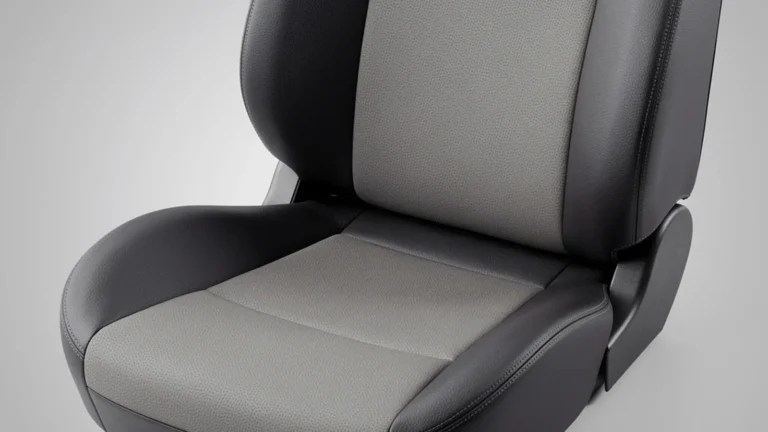
If the application is seating, our furniture upholstery material page can help frame the use requirement. The specification should still identify the selected material, not just the furniture category it will serve.
Distinguish the Underlying Structure from the Surface
Woven, knitted and coated describe different aspects of a material. The Association for Contract Textiles distinguishes interlaced yarn structures, looped yarn structures and substrates carrying polymer wear layers. A coating can sit on a textile support; it does not make the underlying construction disappear.
Nonwoven also has a specific meaning. EDANA’s definition describes an engineered fibrous assembly consolidated through physical or chemical means rather than weaving or knitting. Having a fibrous appearance does not make animal-hide leather a manufactured nonwoven textile.
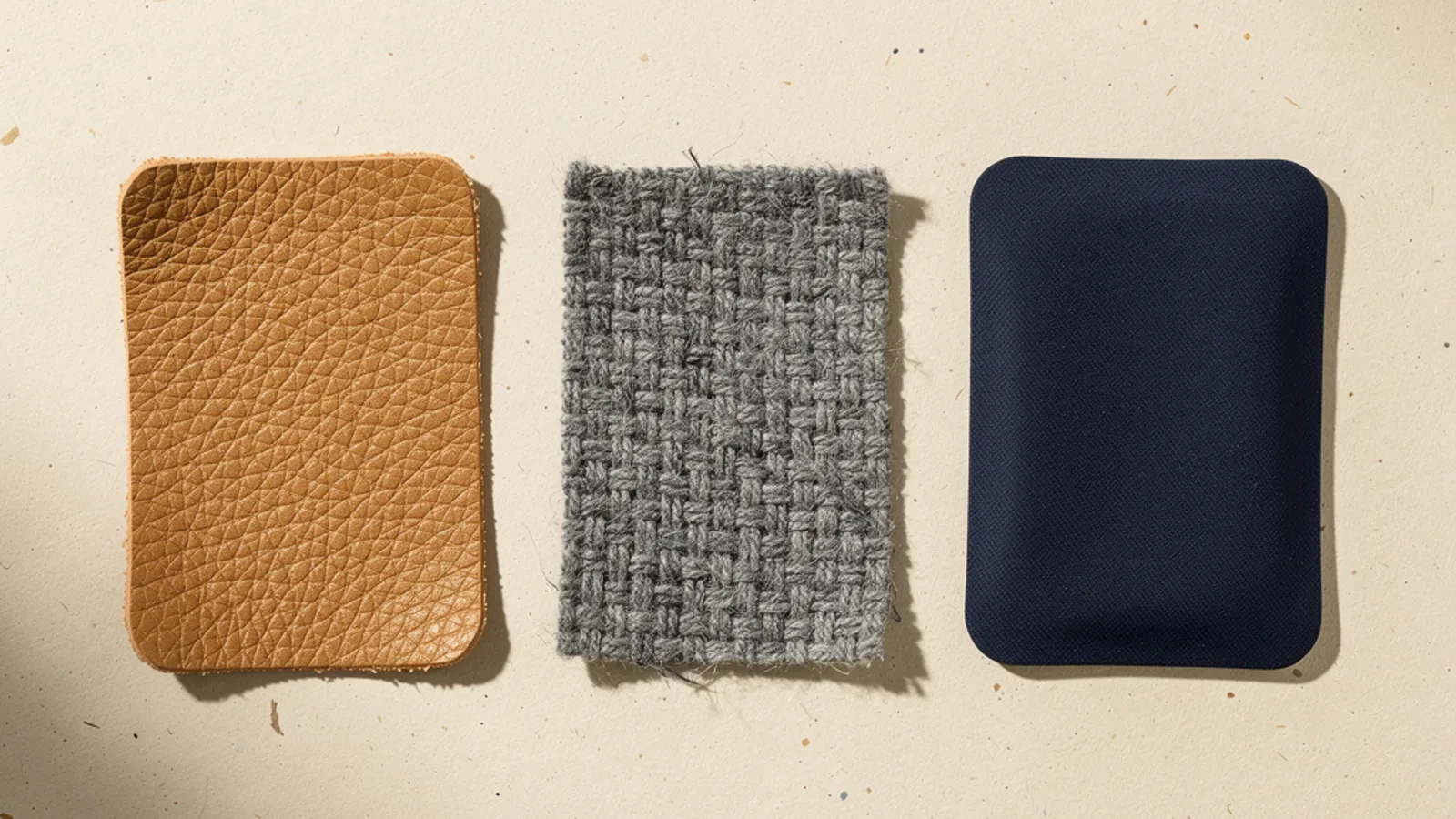
These distinctions help organize the questions a buyer asks. They are not a ranking of quality. The table below is a starting point for a supplier declaration, not a way to certify a material from a photograph.
| Material description | What needs identifying | Useful supplier question |
|---|---|---|
| Animal-hide leather | Hide type, split or grain description and finish | What exactly is the approved leather construction? |
| Woven or knitted textile | Fibre composition, construction and finishing | Which fibres and fabric structure are supplied? |
| Nonwoven textile | Fibre composition and method of consolidation | What engineered substrate is being specified? |
| Polymer-coated textile | Surface system, support and any additional layers | What is the face coating, and what supports it? |
| Reconstructed leather-fibre material | Declared leather-fibre content, binder and other components | Is this a reformed composite rather than a hide section? |
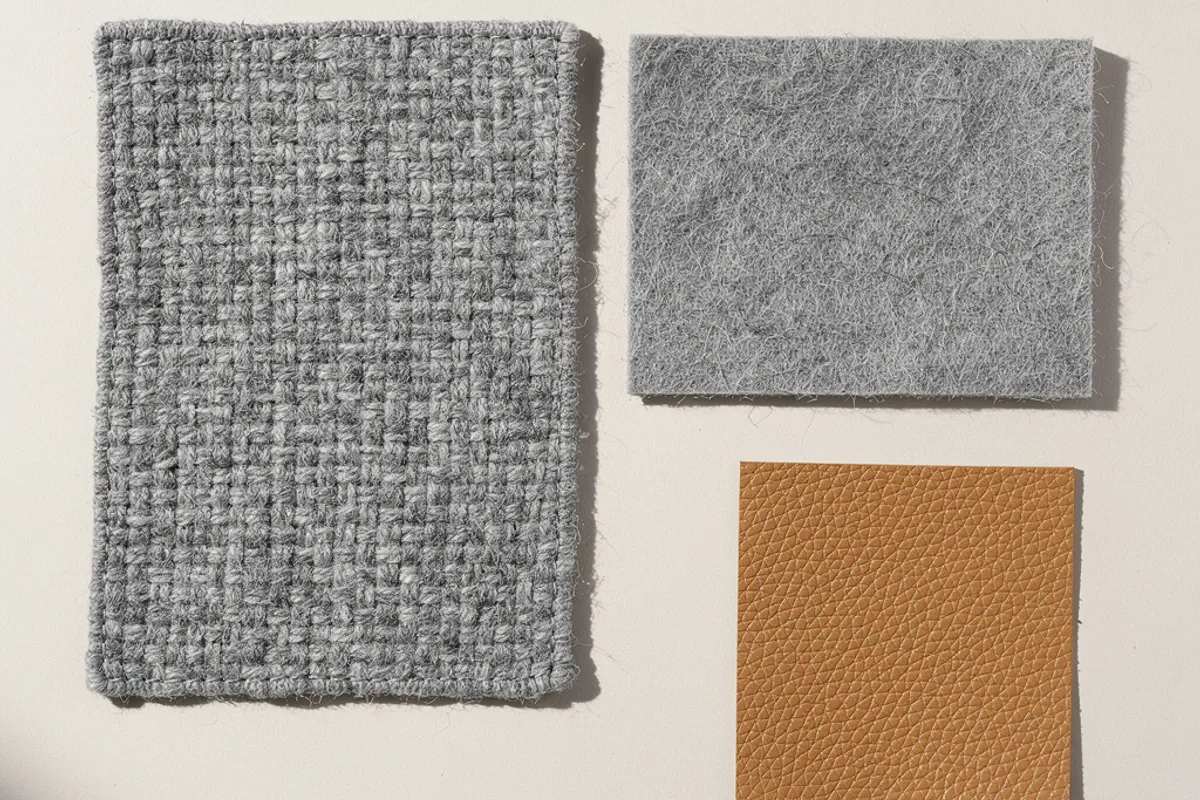
Why “Coated Leather” and “Coated Fabric” Need Different Descriptions
A surface finish alone does not settle the material’s identity. A coating may be applied to a hide-based material or to a textile support. Consequently, finding a smooth polymer-looking face is not enough to determine what the whole sheet is made from.
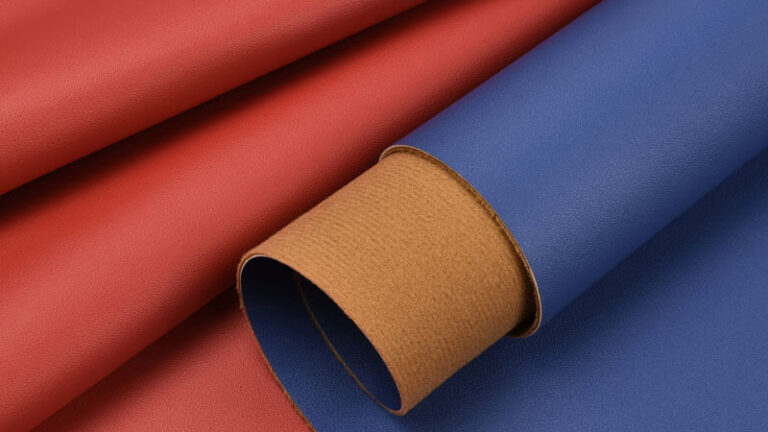
Ask the supplier to separate the underlying material from the surface treatment in the technical description. For a textile-backed candidate, request the face-coating system and backing construction as separate fields. For a hide-based candidate, request the leather description and finish. Where a naming standard uses coating-thickness boundaries, ask the supplier or laboratory to confirm the applicable designation rather than guessing from the visible grain.
The same caution applies to a product described as microfiber leather. Ask what the term means in the proposed product and how the surface and substrate are constructed. A familiar trade name is not a substitute for a sample-specific description. Our microfiber leather structure guide provides a separate introduction to that material family.
Keep reconstructed materials separate as well. Leather Working Group describes recycled leather fibre as material formed from disintegrated leather, rather than simply another untouched hide layer. Do not interchange a reformed composite and a hide-based material in an approval record merely because both descriptions contain the word leather.
What a Sample Can Tell You—and What It Cannot
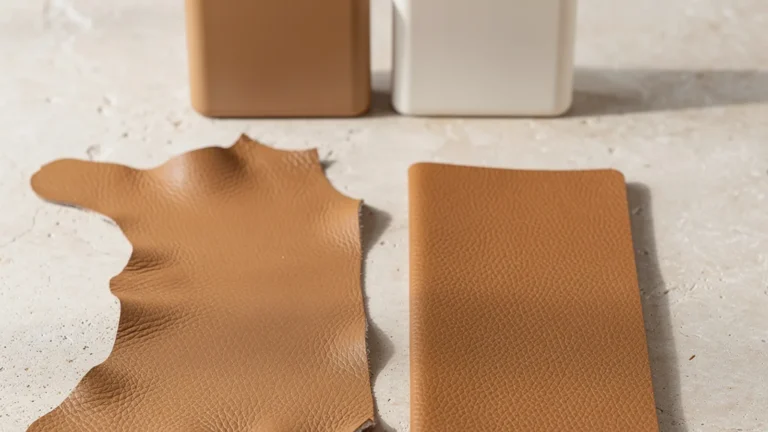
Examine both sides and an available cut edge, then compare the observations with the supplier’s declaration. Record a visible textile backing, a laminated layer or an unexpected underside as a question to resolve. Do not turn a quick visual check into a definitive composition result.
For an unresolved leather-identification question, ISO 17131:2020 describes microscopy for distinguishing leather from other materials. Its scope does not identify particular leather species. A result answering “is this leather?” therefore should not be represented as answering every question about origin, finishing or performance.
Ask the laboratory what analysis is appropriate to the actual uncertainty. Identifying the substrate, identifying a surface polymer and checking a declared composition are different tasks. Tell the laboratory which decision is blocked, and provide the supplier’s description alongside a traceable specimen.
Before sending material away, retain a matching reference and record the sample code, supplier, date and intended part. Otherwise, a useful result can become difficult to connect to the material ultimately ordered. This is a practical traceability recommendation, not a laboratory sampling procedure.
Turn “Leather Fabric” into a Usable Material Description
A short, accurate description is better than a long collection of attractive adjectives. Start with the material family and application, then add the details needed to identify the candidate. Avoid filling unknown fields with assumptions simply to make a specification look complete.
For a coated-textile candidate, a working request might read: “Leather-look coated textile for indoor seat upholstery. Supplier to declare face system, backing composition and construction, total thickness, usable width, finish and product code. Submit a traceable sample and relevant test evidence for review.” This is an enquiry format, not a finished purchase specification.
For a hide-based candidate, identify the required leather category and finish, then request the relevant thickness range, appearance limits, usable-size information and sample references. Do not copy roll-width requirements into a hide quotation without checking how the material is supplied and measured.
Separate fixed requirements from open development choices. If the project requires an animal-free construction, say that explicitly and ask for the necessary composition confirmation. If the main requirement is a particular grain and hand-feel, make clear whether more than one material family can be proposed. These are different briefs.
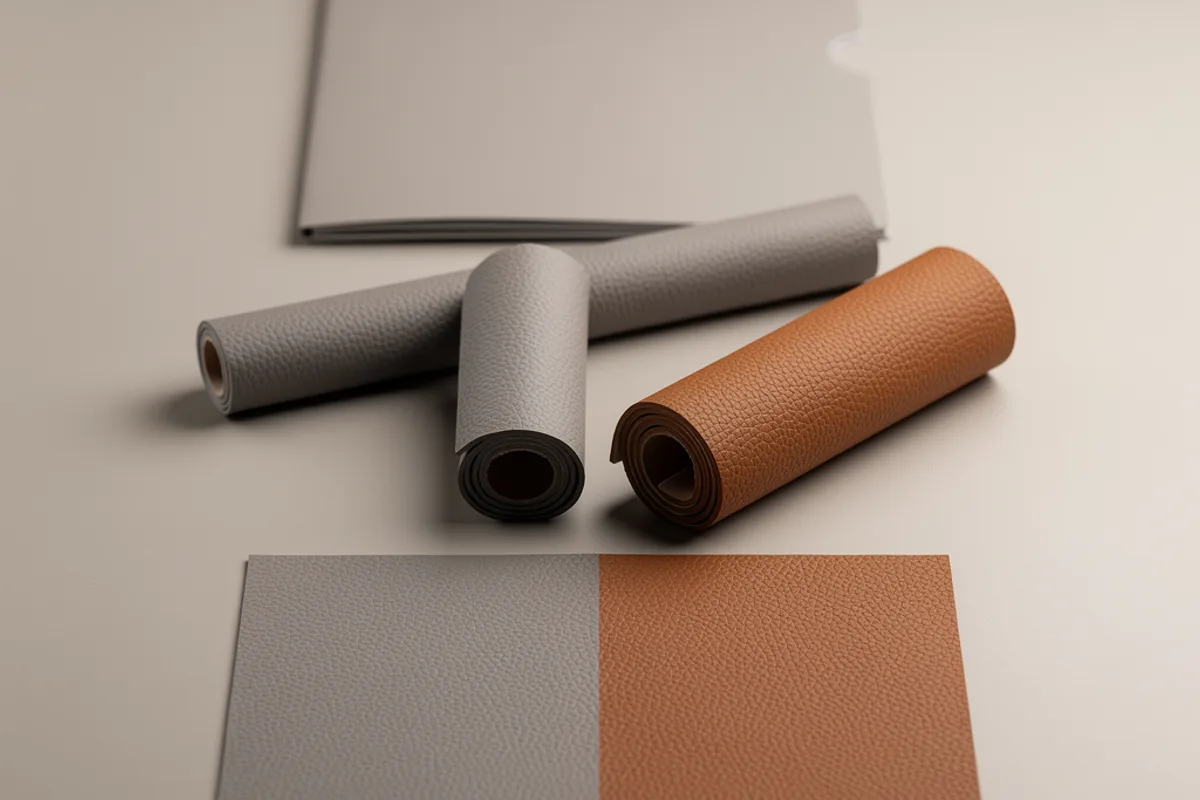
Keep Material Identity Separate from Performance Approval
Once the identity is clear, the product still needs to meet the application brief. Neither the word leather nor the word fabric establishes a suitable abrasion result, cleaning route, seam construction or comfort outcome. A correct material description is the beginning of approval, not its completion.
For each relevant performance requirement, record the test method, edition, conditioning, specimen description and acceptance criterion. Ask the laboratory to confirm that the method suits the material. Do not automatically transfer a test intended for leather to a coated textile, or compare two differently obtained results as though they measured the same thing.
For a chair cover, trial the material in a representative corner and seam. For a bag panel, review the intended fold and reinforcement. Keep these design checks tied to the approved sample. They help answer an application question that the material-family label cannot resolve.
Cost comparisons also need a common basis. Confirm the quoted unit, usable quantity and cutting assumptions before comparing offers. Record whether additional lamination, reinforcement or finishing is included. A lower unit price is not automatically a lower cost for the approved component.
Close the Gap Between the Approved Sample and the Purchase Order
Use one material identifier across the sample record, technical description, test reports and order. If the supplier uses a separate colour or finish code, retain that reference too. A photograph can support the record, but should not become the only definition of the purchased material.
Before release, check that the description in the quotation matches the one approved during development. Ask the supplier to explain any renamed product, changed backing or revised finish. Do not silently accept an apparently similar construction when the approval was based on a different sample.
For incoming review, agree which checks the buyer can perform and which questions require supplier records or laboratory support. Keep composition verification separate from routine appearance inspection. A colour match does not settle a material-identity disagreement.
If the candidate is a PU-coated material, our PU leather specifications and applications page provides a commercial route for the next discussion. The enquiry should carry the clarified construction and intended use with it.
Frequently Asked Questions
Is leather a woven fabric?
Animal-hide leather is not a woven textile. For an upholstery specification, identify it separately from material constructed from interlaced yarns. A broad retail category may group both together, but that grouping does not describe their composition.
Can faux leather contain a fabric backing?
Yes. A leather-look coated textile can use a fabric support beneath its surface system. Ask for both the coating and the backing description. The visible underside alone does not identify every component of the finished material.
Is leather the same as a nonwoven?
No. An engineered nonwoven is a manufactured fibrous assembly, whereas animal-hide leather retains the underlying hide or skin structure. Similar flexibility or a fibrous appearance does not make the two descriptions interchangeable.
Is a material-identification test also a quality approval?
No. Identification answers a composition or material-family question within the method’s scope. Application performance still needs separate evidence, and the actual component should be reviewed against its design and care requirements.
Can a surface coating prove that a material is synthetic leather?
Not by itself. Establish the underlying material as well as its surface treatment. A coated hide-based construction and a coated textile need different descriptions even when their visible faces look similar.
What should replace “leather fabric” in a quotation request?
State the required material family, intended part and the construction details that must be declared. Include the product code, finish, dimensions, sample reference and relevant approval requirements. Leave unresolved fields explicit rather than guessing.
Start with a Clear Material Brief
If your specification currently says only leather fabric, clarify the material family before comparing prices or samples. To discuss a synthetic candidate, send Wandaoleather your material brief with the intended part, preferred appearance and construction questions. A clear description makes the next sample review more useful.