Marine vinyl sunscreen stains should be investigated with the actual sunscreen, upholstery and cleaning procedure, not with a blanket claim that one ingredient damages every vinyl. For material approval, separate removable residue from persistent colour, gloss, tack or coating changes. Compare exposed specimens with untouched and cleaner-only controls. The result should identify which product and exposure sequence were assessed; it should not become an unlimited sunscreen-resistance promise or a recommendation to use aggressive solvents on a finished boat seat.
Define the marine vinyl sunscreen stains you need to prevent
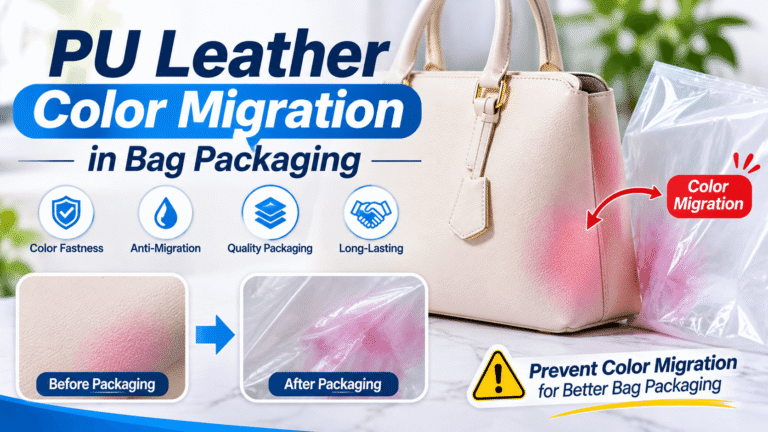
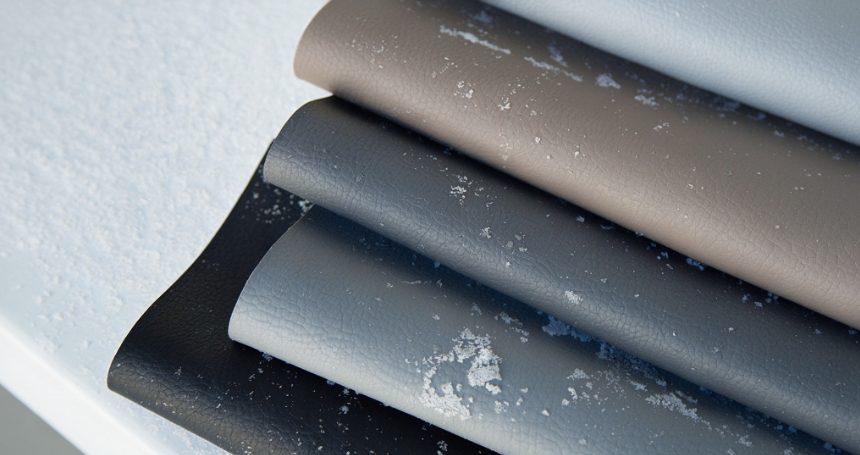
A white deposit after contact, a coloured mark after wiping and a sticky patch after cleaning are different observations. Record when each appears. The sequence may be as important as the final photograph because a cleaning step can change what is visible and introduce another variable.
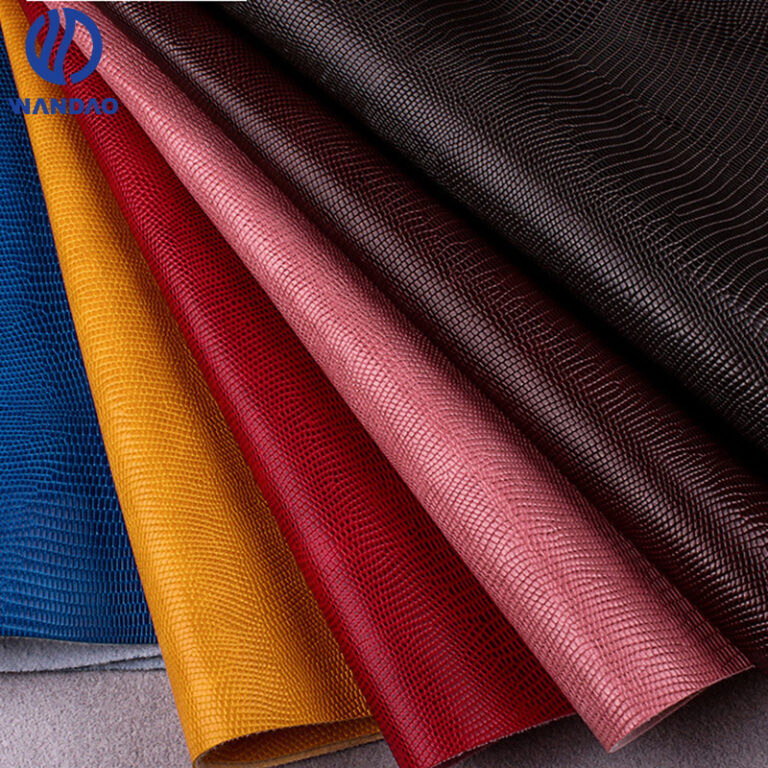
The marine vinyl fabric selection page is the material starting point. Identify the exact colour, grain, finish, backing and lot being considered. This article addresses a defined contact challenge for marine seating, not a general ranking of all marine upholstery properties.
Keep the project question narrow: will this supplied construction remain acceptable after the agreed sunscreen-contact and cleaning sequence? That is answerable through a controlled programme. “Will sunscreen ever stain it?” is too broad unless the products, conditions and acceptance limits are defined.
Identify the complete sunscreen product, not just one ingredient
Record the product name, version, lot where available and whether the trial uses a lotion, spray or another format. Retain the label and relevant handling information. A familiar brand name alone may not identify the same formulation across product versions or markets.
Do not infer a compatibility ranking solely from mineral or organic-filter categories. The upholstery contacts a formulated product, not an isolated label term. If the investigation aims to identify an ingredient mechanism, that requires a different, formulation-controlled study. It should not be presented as the outcome of a simple seat-contact trial.
For a buyer screening programme, select a justified set of products linked to the intended use or customer requirement. Describe the selection basis in the report. Testing one convenient bottle does not establish resistance to every sunscreen sold in the destination market.
This is a materials-development discussion, not advice on skin protection or sunscreen choice. Follow the relevant product handling information and use qualified testing support. The seat material’s compatibility should not be managed by making unsupported recommendations about what people put on their skin.
Choose an exposure that represents the purchasing question
Direct application to the surface and transfer from a coated contacting material answer different questions. If the risk is residue transferred from a user onto a cushion, define a repeatable transfer arrangement. If the brief intentionally uses direct application as a severe screen, label it that way.
Agree the application amount or transfer procedure, contact area, pressure where used, exposure time and environmental conditions. Record whether light exposure is included. Do not add heating or sunlight casually and then describe the result as an unchanged standard test.
ISO 6450:2021 evaluates changes in selected properties of coated fabrics before and after liquid immersion, with total-immersion and one-face approaches. It does not by itself define a sunscreen-transfer, stain-removal or repeated-wiping procedure. A laboratory should determine whether any part of that framework fits the proposed exposure.
A project-specific contact procedure may be the appropriate development tool. Its credibility comes from clear conditions, controls and repeatability, not from borrowing a standard number. Keep deviations or adaptations explicit in the report and in any claim based on it.
Use controls to separate sunscreen effects from cleaning effects
The following comparison structure is an engineering proposal for discussion with a laboratory. It is not a published universal sunscreen test. Use separate specimens or clearly isolated areas so one treatment does not contaminate the next comparison.
| Specimen | Purpose | Main comparison |
|---|---|---|
| Untouched reference | Retain the original surface appearance | All treated specimens |
| Cleaner only | Check the cleaning sequence without sunscreen | Untouched reference |
| Sunscreen exposure without cleaning | Record residue and initial change | Untouched reference |
| Sunscreen exposure followed by cleaning | Evaluate the intended maintenance sequence | Exposed and cleaner-only specimens |
Keep the cleaner identity, dilution if applicable, application, wiping action, rinse and drying conditions controlled. Use the upholstery supplier’s approved maintenance direction as the starting point. This article does not propose alcohol, bleach, abrasive pads or solvent mixtures as universal stain remedies.
If cleaner-only specimens change, the exposed-and-cleaned result cannot be attributed entirely to sunscreen. If residue disappears but gloss remains different, report both observations. A visually clean surface and an unchanged surface are not necessarily the same acceptance outcome.
Where repeated contact is part of the intended requirement, define the repeated sequence separately. A single exposure result does not automatically cover repeated application and cleaning. Do not translate the number of laboratory repetitions into seasons of boat use without a validated basis.
Judge more than whether the mark is still visible
Compare colour and gloss under agreed viewing conditions. Inspect for tack, softening, surface disruption or other changes included in the project brief. The appropriate measurements and acceptance criteria should be established with the laboratory before specimens are ranked.
Record the inspection time relative to exposure, cleaning and drying. Comparing a freshly wiped specimen with a fully conditioned reference can make a temporary state look like a permanent difference. Preserve the time sequence so reviewers know what each photograph or reading represents.
Use both the tested colour and its untouched reference. A result on a dark textured finish should not silently approve a pale smooth finish. If a colour family is to share an approval, explain the sampling rationale and the scope of the resulting decision.
Also record whether the sample was flat or part of an assembly. Piping, seams and folded areas may create different contact or cleaning access. A flat material screen can identify promising candidates, while a representative cushion trial addresses the practical build.
Investigate persistent change without inventing the chemistry
A mark that remains after the agreed cleaning procedure warrants further inspection. It does not prove, by itself, that a named sunscreen ingredient has chemically bonded to the vinyl. Similarly, a sticky surface does not establish a particular additive-migration mechanism without supporting analysis.
First verify the identities and sequence: material lot, sunscreen version, exposure conditions and cleaner. Then compare the controls. If the question remains unresolved, preserve the specimens and ask the laboratory which analysis could distinguish deposited residue from a change in the upholstery itself.
For a development decision, it may be sufficient to reject the tested combination without claiming to have identified the molecular cause. Separate “did not meet the agreed appearance requirement” from “proven chemical mechanism.” The former can be supported by the trial; the latter requires additional evidence.
The wider marine upholstery material guide helps place compatibility alongside other project requirements. A favourable sunscreen trial does not establish resistance to saltwater, weathering, abrasion or every maintenance chemical.
Separate screening failure from field attribution
A laboratory screen may intentionally use a more concentrated or prolonged contact than the reported seat event. If it produces a similar mark, that supports further investigation but does not prove the field event followed the same conditions. Keep the complaint record and screening protocol side by side. The buyer can use a severe screen for candidate selection while remaining careful about the explanation offered for an actual customer complaint.
Write the result into a bounded material specification
List the material construction, tested sunscreen references, procedure revision, cleaning sequence and acceptance criteria. State which combinations passed the project requirement and which were not assessed. Avoid replacing that detail with an unrestricted “sunscreen resistant” field on the purchase order.
Connect the report to a signed sample and production material code. Agree which changes reopen review, including a new finish, changed colour, revised cleaner or changed challenge product. If a later complaint involves an untested sunscreen, treat it as a new compatibility question rather than assuming the original programme covered it.
Keep maintenance communication aligned with the approved sequence. A purchasing team should not approve one cleaner in the laboratory while a care sheet recommends another. Any additional remedy proposed after staining should receive its own compatibility review before being adopted across production or customer support.
To prepare a focused sample request, send Wandao Leather the marine seat construction, target finish and sunscreen-contact requirement. Include the proposed products, maintenance procedure and laboratory acceptance plan. This provides a usable development brief without assuming that a generic material label settles compatibility.
Frequently Asked Questions
Does every sunscreen stain marine vinyl?
No universal result is established here. Evaluate the identified sunscreen formulation, vinyl construction and exposure sequence. Do not extrapolate one product’s result to all sunscreens.
Is ISO 6450 a sunscreen stain-removal test?
No. It concerns coated-fabric resistance to liquids through before-and-after immersion assessments. A sunscreen contact-and-cleaning programme needs its own appropriate, documented procedure.
Why include a cleaner-only control?
It helps distinguish changes associated with the cleaning sequence from changes after sunscreen contact. Without that comparison, the final surface condition can be misattributed.
Does removing the visible residue mean the material passed?
Only if all agreed acceptance criteria are met. Check the required colour, gloss, tack and coating-condition endpoints after the specified drying or conditioning period.
Can one tested colour approve every colour?
Not automatically. Define the tested construction and colour scope, and agree a justified sampling plan before extending approval to other finishes or shades.
Should a stronger solvent be used if a mark remains?
Do not adopt an unapproved solvent remedy. Preserve the evidence, follow the material’s approved care direction and seek a compatibility review for any proposed additional treatment.