Automotive Trim Grain Distortion: Door-Insert Approval
Assess automotive trim grain distortion on formed door inserts. Map local appearance, compare references and control material and process changes.
Explore the latest trends in automotive leather manufacturing, industry innovations, and technical insights.
Assess automotive trim grain distortion on formed door inserts. Map local appearance, compare references and control material and process changes.
Validate folding rear seat upholstery with contact maps, separate dwell and cycling trials, and production-intent assembly checks in approved positions.
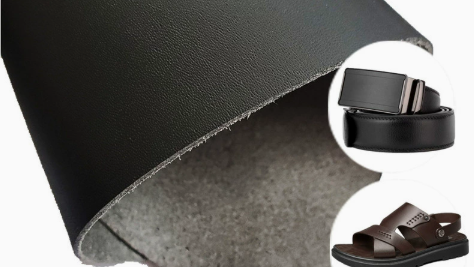
Microfiber leather breathability cannot be judged from softness, a porous-looking backing, or a waterproof label. For shoe linings, ask separately about water vapour transmission, vapour absorption, and airflow, then check the construction that will actually surround the foot. A flat swatch is useful for screening, but foam, adhesive and the upper can change the result. The purchasing decision is therefore which lining assembly meets the shoe brief, not which material carries the strongest breathability claim.
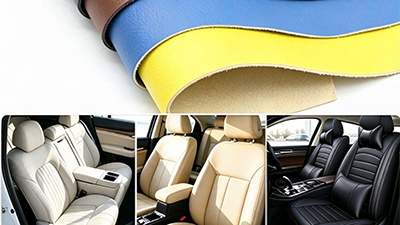
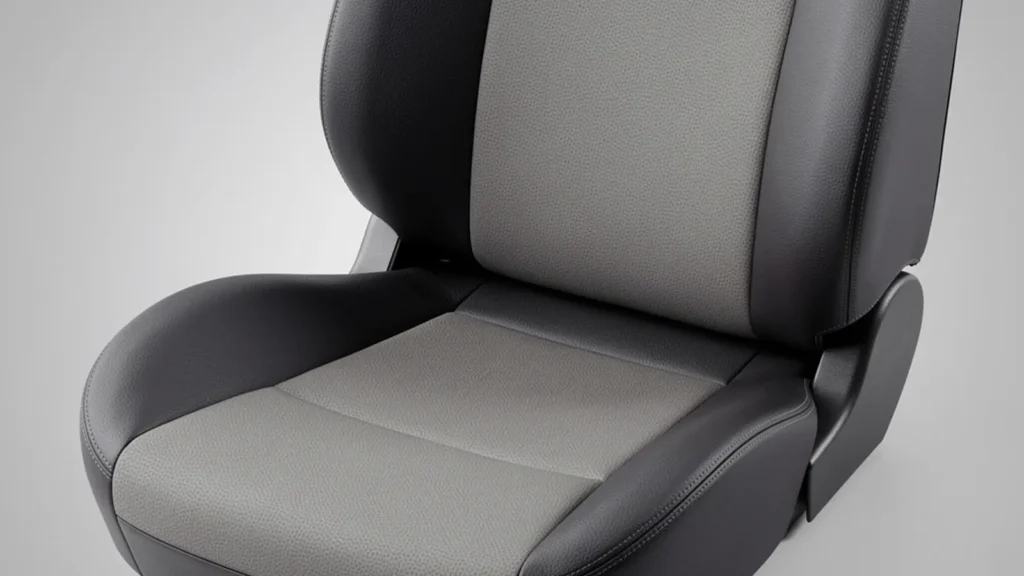
Is car leather synthetic? Check trim records, seat-panel coverage and material construction before approving replacement upholstery or a synthetic alternative.
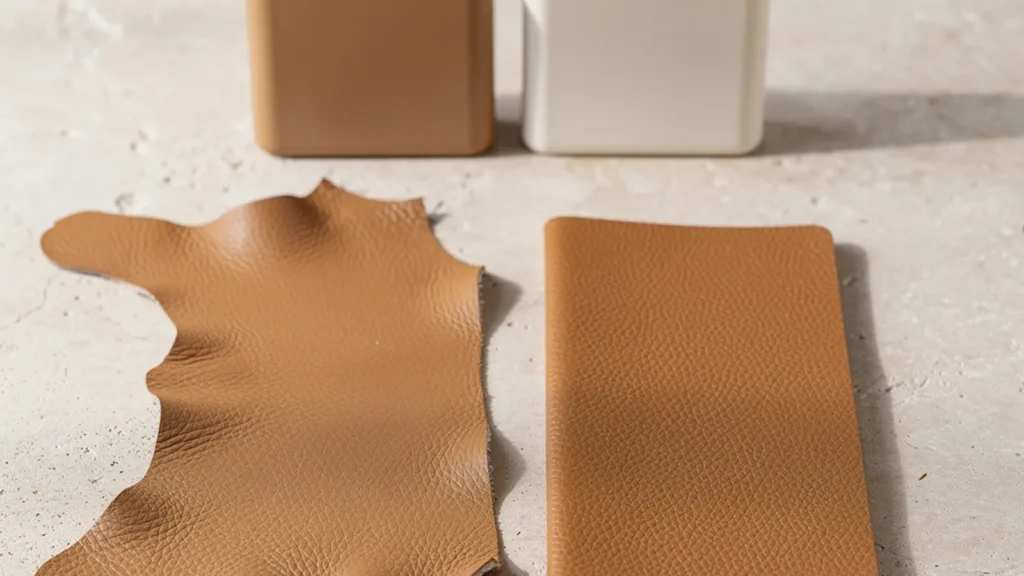
Vegetable-tanned leather is animal hide, not a vegan alternative. Separate tanning, appearance and composition requirements before approving an accessory material.
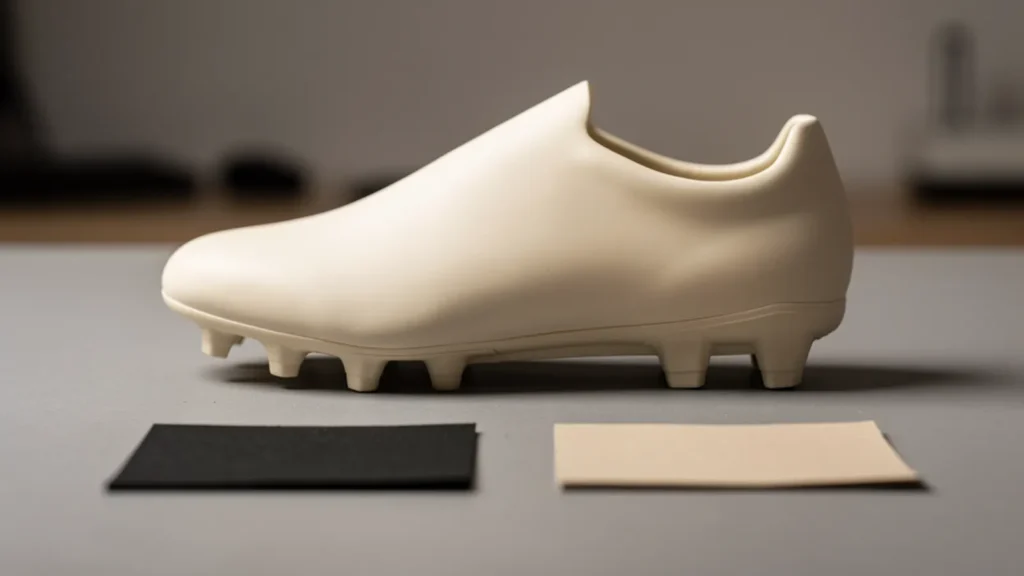
Compare kangaroo leather and synthetic football uppers using identified grades, controlled prototypes and whole-boot checks—not material-name rankings.
Get in touch with our team for premium automotive leather solutions.