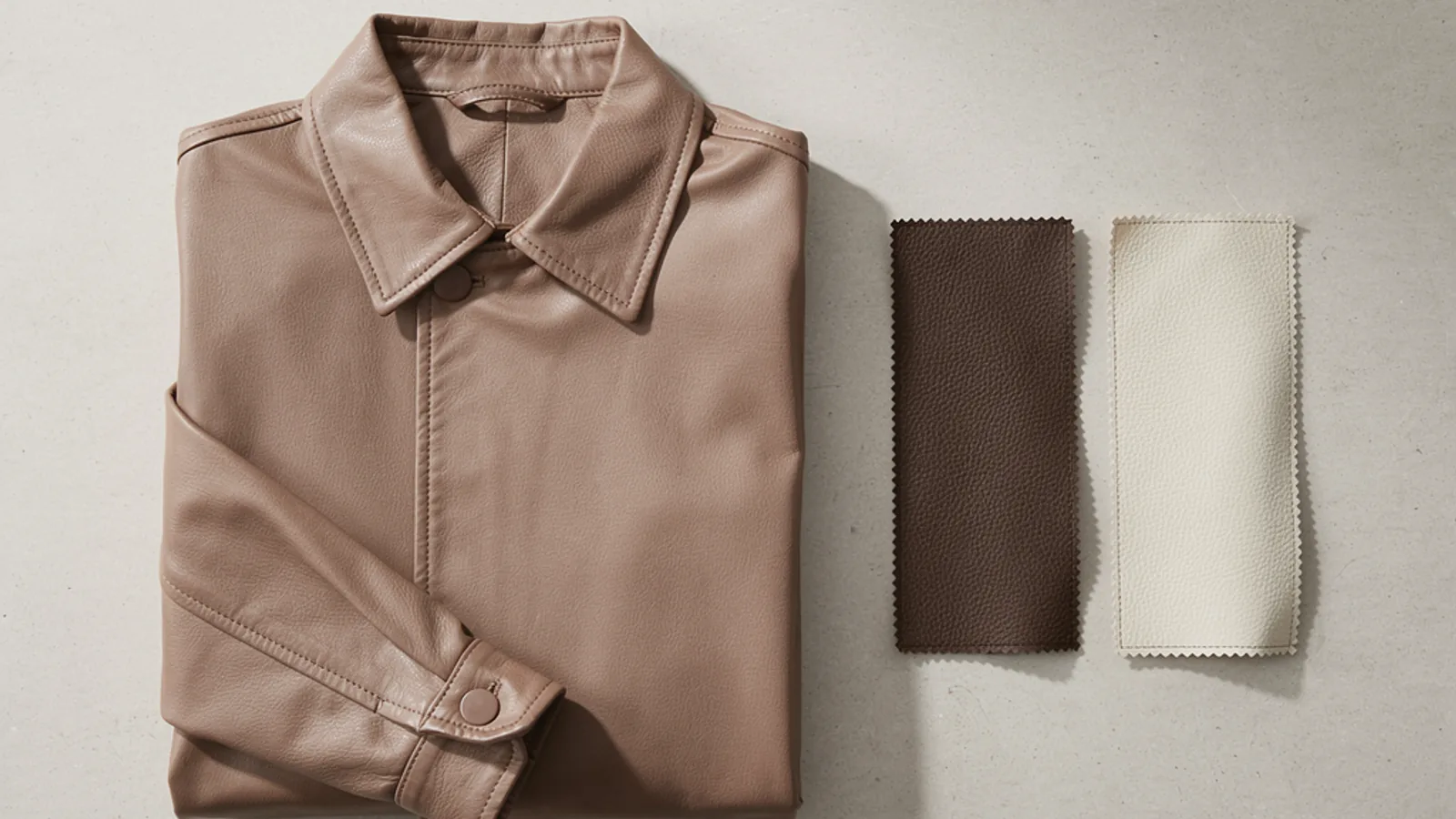
Garment Leather vs Synthetic Leather: What Are You Comparing?
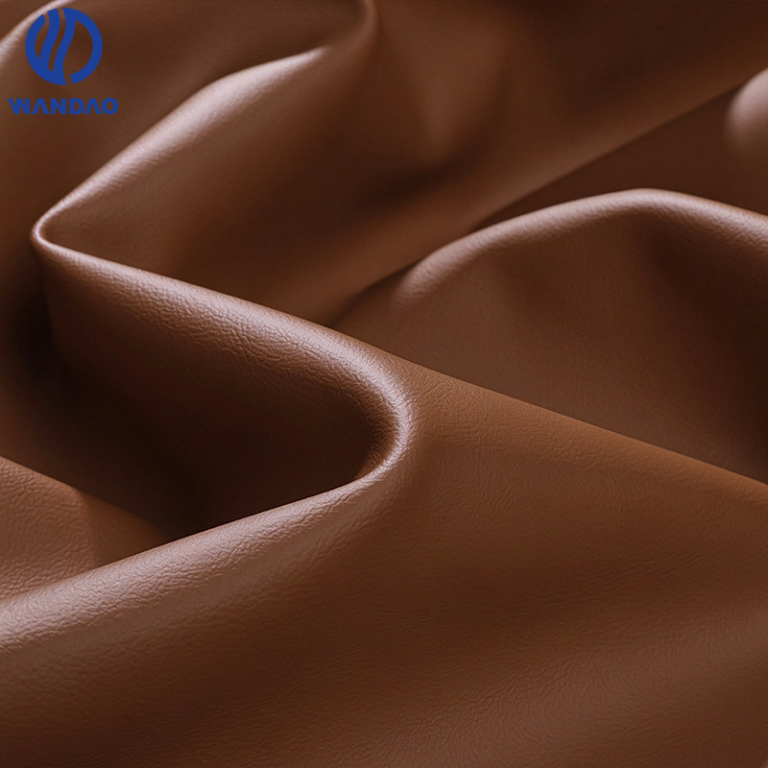
In this guide, garment leather means processed animal hide or skin selected for apparel. Synthetic leather means a leather-look manufactured alternative, with the main focus on PU-coated textiles used for jackets. PU describes polyurethane; it does not identify the backing, every layer or the final hand-feel.
The structural distinction matters. A FILK research study on leather and alternatives describes animal-skin structure and polymer-coated textile constructions. Its tested reference leather was a shoe-upper material, so its performance rankings should not be transferred to every garment leather or PU jacket fabric. Use the structural distinction to ask better questions, not to declare a category-wide winner.
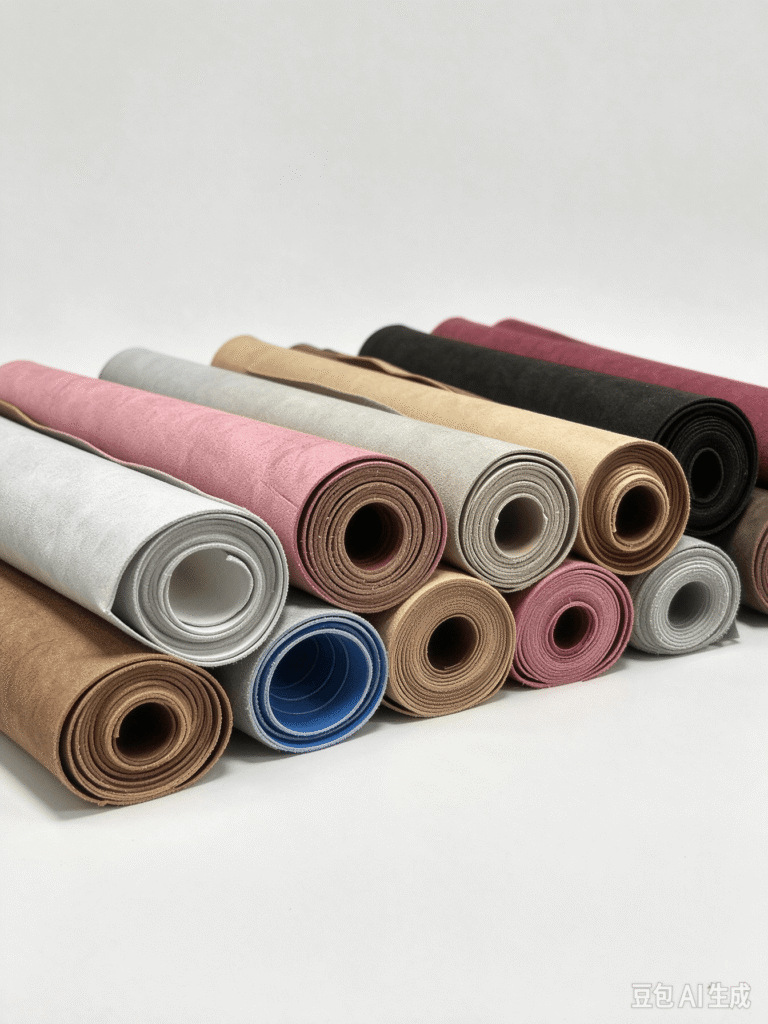
For a hide candidate, request the leather type, finish, thickness specification and agreed appearance range. For a coated-textile candidate, request the coating system, backing construction, thickness, weight and any additional laminate. A photograph of the face cannot provide that information.
Our PU leather for clothing page is a starting point for discussing a synthetic candidate. Approval still needs to cover the selected article and jacket design. This guide concerns ordinary fashion jackets; it does not qualify materials for motorcycle protection, occupational PPE or other protective uses.
Compare the Jacket Requirements Side by Side
The table below is a purchasing framework, not a list of guaranteed material properties. Use the same design brief for both candidates, then record where the development work differs.
| Decision | Hide garment leather candidate | PU-coated textile candidate |
|---|---|---|
| Appearance | Define acceptable grain, finish and panel-to-panel variation | Define grain, gloss, colour and acceptable roll-to-roll variation |
| Shape and drape | Review the selected leather in the intended pattern | Review the complete coating-and-backing combination in that pattern |
| Material specification | Identify hide type, finish and thickness range | Identify coating, backing, thickness, weight and supplied width |
| Cutting cost | Request usable-area and panel-yield assumptions | Request usable-width, defect and marker-yield assumptions |
| Seams and edges | Trial the chosen seam, folded edges and reinforcement | Trial the chosen seam and inspect both coating and backing |
| Comfort | Assess the finished leather with the proposed lining | Assess the coated shell with the proposed lining |
| Care | Validate a suitable process for the complete garment | Validate a suitable process for the complete garment |
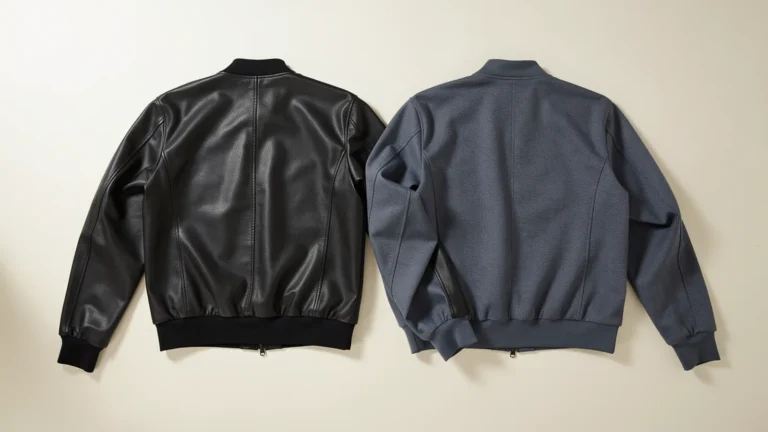
A structured cropped jacket and a softly falling overshirt may lead to different approvals even within one material family. Avoid using “soft garment quality” as the entire brief. Specify whether the collar should hold its shape, how freely the sleeve should move and how much bulk is acceptable at a pocket opening.
Likewise, a preferred animal-origin policy is a sourcing constraint, not a performance result. Keep composition requirements separate from comfort, durability and environmental claims. Do not infer the full jacket’s composition from the outer shell alone.
Drape, Hand-Feel and Thickness Need Separate Checks
Drape describes how a material hangs and forms folds. Hand-feel is the broader tactile impression when it is handled. A sample can feel soft between the fingers yet fail to produce the silhouette the designer wants.
A study of sheep garment leather found that both thickness and flexural rigidity influenced drapability in the samples studied. That is useful evidence against selecting on thickness alone. It is not a universal thickness specification, and the study did not establish a ranking of all hide and synthetic jacket materials.
For development, compare candidate panels of the same dimensions under consistent conditions. Observe how they hang, how a fold opens and how the surface looks after gentle handling. Treat this as a documented design review, not a substitute for a laboratory test. Photograph the samples in the same arrangement and retain the sample identifiers with the observations.
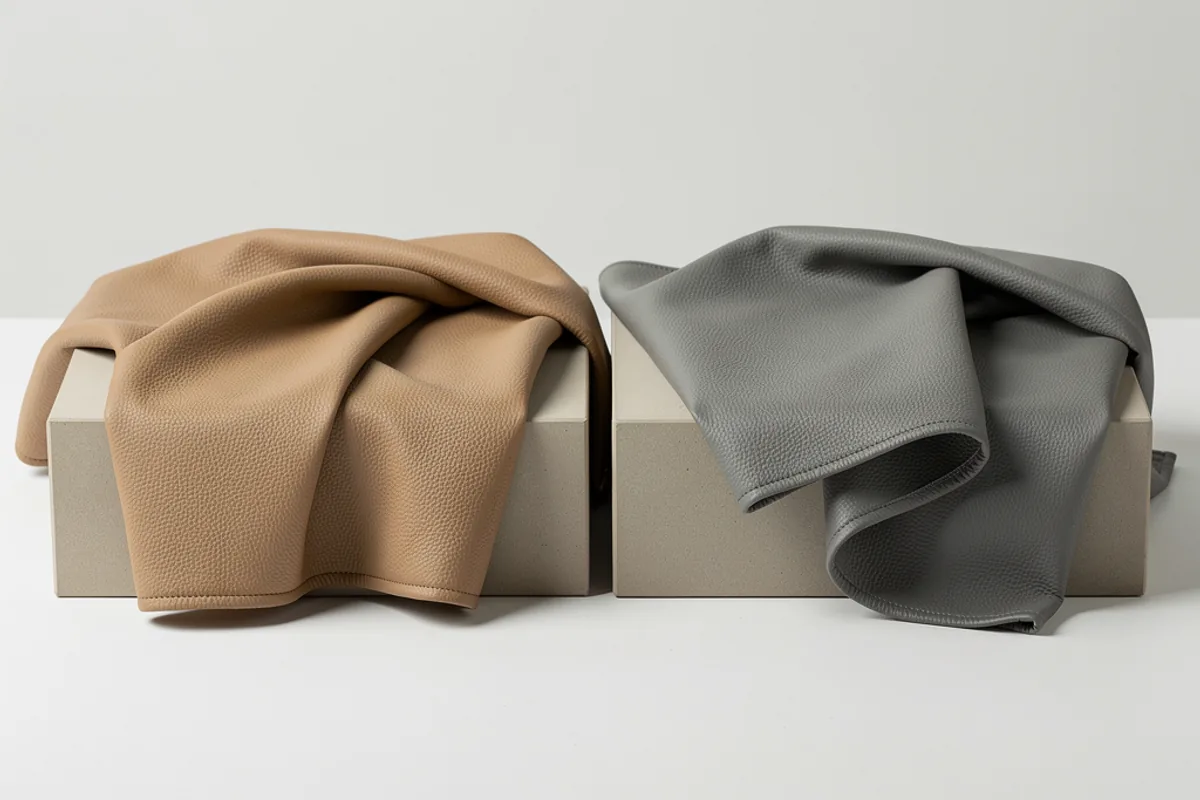
Then repeat the review in representative jacket details. A collar, cuff or zip-front edge introduces folded layers and construction choices that a loose swatch does not show. Ask the sample room to record the actual layers used, including lining and reinforcement, so that a good-looking trial can be reproduced.
Do not automatically reject the firmer candidate. A structured style may need a different result from a fluid style. Write the desired appearance into the approval notes instead of treating maximum softness as the objective for every jacket.
Moisture Comfort: Test the Assembly You Intend to Use
“Breathable” needs a defined meaning. For a jacket, moisture movement through the shell is only part of the question. The lining, garment fit, openings, activity and environment also belong in the comfort brief.
ISO 11092:2026 covers measurement of thermal and water-vapour resistance under steady-state conditions. Its scope includes leather, coatings and multilayer assemblies. It gives a relevant laboratory framework for discussing comparable candidates, but a material measurement should not be treated as a promise that everyone will feel comfortable in the finished jacket.
Hohenstein’s comfort-testing guidance separates heat and moisture management, sensation on the skin, and fit-related comfort. That broader approach helps explain why a single shell-material result cannot answer every wear-comfort question.
Our recommendation is to identify whether each report covers the shell alone or the proposed shell-and-lining assembly. Ask the laboratory to confirm the method, edition, units and conditioning, and avoid comparing unlike measurements as though they were one score. Water-vapour resistance is not the same property as liquid-water resistance.
For the prototype review, state the intended wearing scenario: for example, an indoor fashion layer or an outer jacket worn over knitwear. Use that scenario consistently when discussing fit and comfort. Do not label every synthetic construction uncomfortable or every hide construction breathable without sample-specific evidence.
Sewing Trials Should Come Before Bulk Material Approval
A material’s flat-sheet result does not describe every seam that can be sewn into it. Trial the proposed needle, thread, stitch setting, seam allowance and reinforcement on each candidate. Have the sample room choose suitable settings and record them rather than forcing both materials through one unexamined sewing setup.
Review areas that matter to the style: the underarm junction, pocket entry, zip attachment, collar edge and cuff. Look for puckering, unwanted stretching, visible needle damage, surface marking and bulky intersections. If a problem appears, record its location and the construction used before attributing it to the material category.
For the PU candidate, inspect the coated face as well as the textile support. For the hide candidate, inspect the leather around the stitching and folded details. Ask the laboratory or garment technologist which seam, tear or other assessments are appropriate to the identified material. Do not substitute an upholstery abrasion figure for seam evidence.
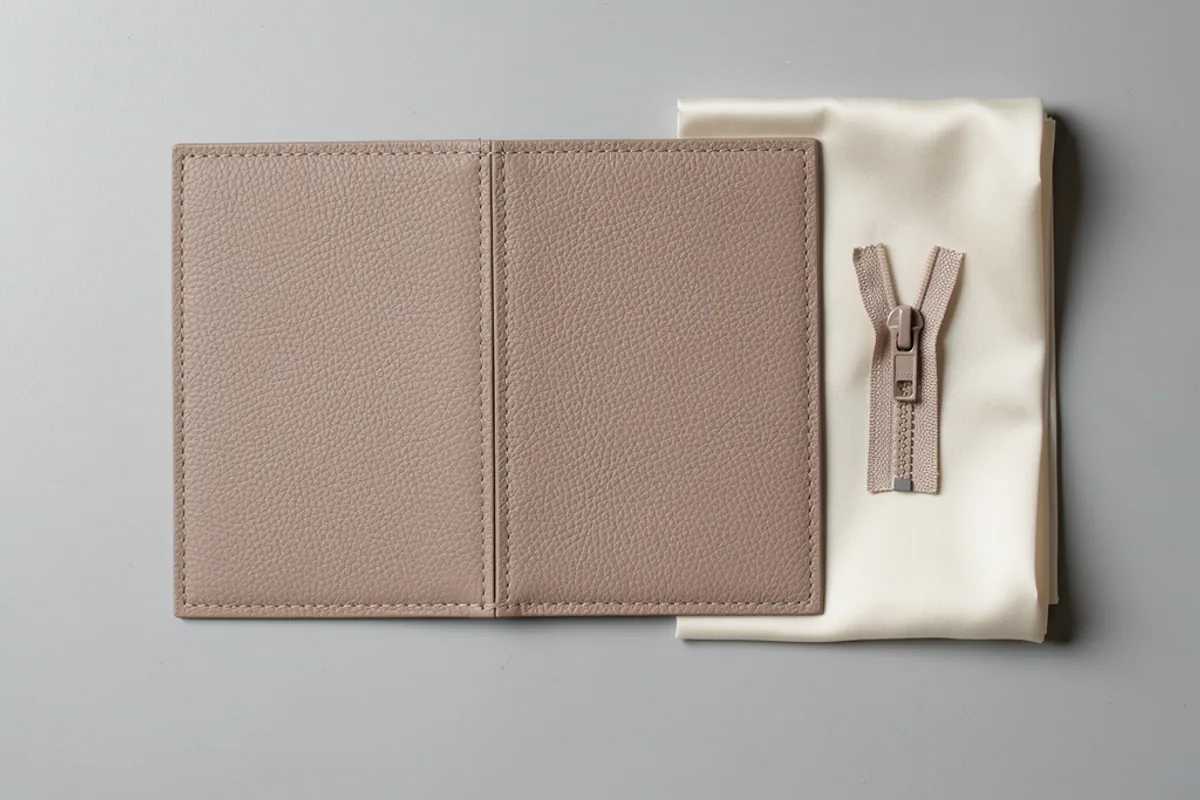
Keep a successful trial panel with its construction record. If a later sample changes the backing, finish, reinforcement or seam arrangement, decide what must be repeated. This is a practical change-control recommendation, not a claim that every change requires an identical test programme.
Care Instructions Must Be Verified on the Garment
Neither “genuine leather” nor “synthetic leather” tells the buyer whether a jacket can be machine washed, drycleaned, ironed or treated with a particular cleaner. Establish a proposed care route with the material supplier, garment maker and relevant testing specialist before final approval.
For animal-hide apparel leather, ISO 14931:2021 provides recommended values, related test methods, and sampling and conditioning procedures. Its scope is apparel leather excluding furs. It should not be described as a blanket standard certifying a PU-coated textile or a completed jacket’s cleaning instructions.
An especially important limit appears in ISO 11643:2009. This small-sample test concerns resistance of leather colour and finish to solvents. It excludes complete leather garments and composites, and does not prescribe a garment-cleaning process. A favourable result therefore cannot, by itself, justify a drycleaning instruction for a jacket with a lining, adhesive and trims.
For relevant textile articles, ISO 3175-1:2017 addresses assessment after professional cleaning and finishing within the ISO 3175 series. Ask the laboratory to select an applicable process and assessment rather than choosing a care method from the material’s marketing name.
In the garment trial, agree what will be checked after the proposed care process: dimensions, colour change or transfer, surface appearance, hand-feel, seam appearance and trim function. Keep an untreated reference for comparison. These are suggested approval checkpoints, not a reproduction of any standard’s procedure.
If the approved instruction is limited, make that limitation part of the product brief. Do not turn a wipe-clean observation into a machine-washable claim, or extend one colour’s results to a different finish without review.
Compare Cost per Acceptable Jacket, Not Just Material Price
A quote is only comparable when its unit and usable quantity are clear. Ask for the supplied unit, size or width specification, defect allowance and relevant cutting assumptions. Have the cutting team estimate consumption for the same garment pattern and size mix.
Use an internal costing sheet that includes purchased material, usable yield, lining and reinforcement, sampling, cutting and sewing operations, testing, and the agreed allowance for rejected pieces. Keep actual quote data separate from assumptions. Do not import a generic online claim that one category costs a fixed fraction of another.
For example, a lower material quotation may require an additional reinforcement or a revised seam operation in the approved prototype. Include that change before calling it the lower-cost option. Conversely, a premium surface should not be purchased merely for its label if the collection brief does not need its particular appearance.
The best purchasing record explains why the selected candidate met this jacket’s brief and what remains conditional. It should be possible for the production team to connect the approved swatch, prototype, specification and care instruction without guessing.
Frequently Asked Questions
Is garment leather the same as synthetic leather?
No. Here, garment leather refers to processed animal hide or skin selected for apparel, while synthetic leather refers to a manufactured leather-look alternative such as a PU-coated textile. Confirm the actual construction because the surface appearance does not identify every layer.
Which is better for a soft, draped jacket?
Choose using the actual samples and intended pattern. Both thickness and bending behaviour deserve attention, and the lining and folded details belong in the prototype review. Neither a material label nor a thinness claim establishes the desired drape.
Is genuine leather always more breathable than synthetic leather?
Do not assume a universal ranking. Compare the identified materials using appropriate moisture-management evidence, and confirm whether the report covers the shell or a multilayer assembly. Fit, lining and intended wearing conditions also matter to the comfort decision.
Can a synthetic leather jacket be machine washed?
Only use a care instruction validated for the specific garment. The synthetic label alone does not establish machine washability, and a surface wipe-clean check does not cover the shell, lining, seams and trims under a washing process.
Does a leather solvent-fastness result approve a jacket for drycleaning?
Not by itself. ISO 11643 addresses small leather samples and excludes complete garments and composites. The full garment and the proposed cleaning process need appropriate evaluation before a care instruction is approved.
What should buyers send when requesting PU jacket material samples?
Send the style or pattern reference, desired hand-feel and drape, target thickness and weight, finish and colour, intended lining and reinforcement, care expectations and required tests. Identify which details are fixed and which can change during sampling.
Prepare a Jacket-Specific Material Brief
Before placing a bulk order, confirm that the material identity, design review, sewn prototype, relevant test evidence and care route all refer to the same construction. Keep unresolved items visible instead of treating a good-looking swatch as final approval.
Our clothing leather material page can help frame the application discussion. To request a candidate for development, send Wandaoleather your jacket material brief with the silhouette, surface effect, backing or lining needs and approval requirements. The aim is to select a material that can be validated in your garment, not to promise that one category is best for every collection.