Is PU Leather Durable Enough for Your Product?
Start by defining what an unacceptable failure looks like. An office chair may become unsaleable because its finish changes around the front edge, even if the seat covering remains intact. A bag may fail a brand’s appearance requirement before the material tears. A shoe upper needs to remain acceptable while repeatedly bending in the assembled shoe.
These are different approval decisions. Write the product, component, expected environment and cleaning routine into the specification before requesting a durability number. When reviewing PU leather material options, ask for the exact grade proposed for that brief, not a report for a vaguely similar material.
Set appearance and functional requirements separately. Record whether you are judging gloss change, color loss, surface cracking, exposed backing, separation between layers or a failed seam. A simple “pass” without a defined endpoint leaves the supplier and buyer free to interpret the same sample differently.
Peeling Is a Symptom, Not a Complete Diagnosis
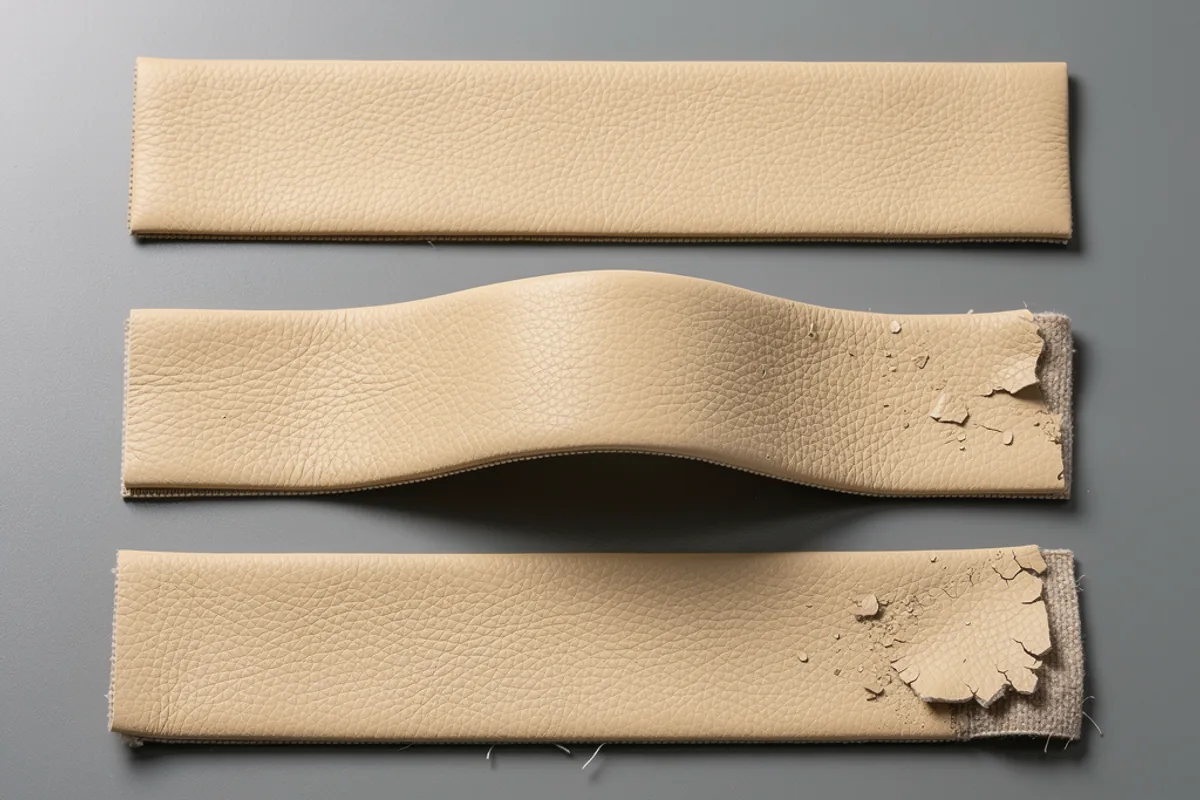
Do not begin a failure investigation by assuming that every loose fragment proves the same defect. The following is an engineering triage guide: the observations suggest questions to investigate, not a diagnosis from a photograph.
| What you observe | What to investigate | Useful comparison |
|---|---|---|
| Wear concentrated on a contact edge | Rubbing, edge geometry and local pressure | Flat sample versus actual covered edge |
| A film lifting away from its support | Coating adhesion and the location of separation | Unused retained sample versus affected material |
| Cracks following a repeated fold | Flex damage and construction strain | Flat panel versus the same material bent in the part |
| Similar surface deterioration across several areas | Shared exposure, material identity and ageing | Affected pieces versus an unexposed control |
| Damage concentrated where a cleaner was applied | Chemical compatibility and cleaning procedure | Documented cleaning trial versus untreated material |
For every returned sample, preserve part of the damaged area and part of the apparently sound area. Record the batch, installation or assembly date, location and cleaning products. Avoid applying repair coatings before the supplier or laboratory has examined the failure; doing so changes the evidence you are asking them to interpret.
What Hydrolysis Evidence Actually Tells You
The Association for Contract Textiles’ hydrolysis guidance describes polymer deterioration associated with prolonged humidity and heat. PU-coated fabrics vary with resin composition and manufacture. Cracking, flaking or delamination can occur, but damage from cleaning chemicals can look similar.
For general indoor contract upholstery, ACT recommends at least five weeks under ISO 1419 Tropical Method C: 70°C and at least 95% relative humidity, with weekly visual assessment. This is application-specific guidance, not a universal requirement for every bag or shoe. ACT explicitly rejects a direct conversion from test weeks to years in use.
In a purchasing discussion, therefore, ask what “hydrolysis resistant” means on the actual report. Require the method, exposure conditions, duration, specimen identity and assessment result. If a salesperson says “five-year hydrolysis,” request the underlying laboratory wording before treating that phrase as a warranty.
Resin names can help frame a technical discussion, but they should not replace testing of the finished material. If the supplier proposes a different coating or finish to improve ageing resistance, ask which other approval checks need repeating. Do not assume that an earlier report covers the revised construction merely because both versions are called PU.
Match the Test to the Failure You Need to Prevent
A short test plan with clear endpoints is more useful than a long list of impressive numbers. The standards below identify different questions. Their public descriptions are not complete laboratory procedures, and naming a method does not establish a pass level for your order.
| Question | Relevant reference | What to request with the result |
|---|---|---|
| How does the coated fabric respond to accelerated ageing? | ISO 1419:2019 | Selected method, exposure and deterioration assessment |
| How strongly is the coating attached? | ISO 2411:2024 | Adhesion result, units, conditioning and observed failure location |
| How does it resist damage from repeated bending? | ISO 7854:1995 | Specific flex method, conditions and damage endpoint |
| Does the surface tolerate the planned rubbing exposure? | Agreed application-appropriate abrasion method | Method, abrasive, loading and failure criterion |
| Does the chosen care routine alter it? | Agreed cleaner-compatibility protocol | Product, dilution, dwell time, wiping procedure and observations |
Ask the laboratory to confirm suitability for the construction and end use. Do not substitute a familiar test because it is cheaper or already appears on another supplier’s sheet. For example, the number of flex cycles is not meaningful without the flexing method and the condition in which the specimen was tested.
Why a high rub count is not a lifespan promise
ACT’s abrasion disclaimer explains that flat-abrasion tests do not represent every type of wear in upholstery. A higher number does not establish a proportional increase in service life.
For procurement, this means keeping unlike measurements in separate columns. Do not rank one material’s abrasion count against another’s adhesion strength, or accept a rub result as evidence for ageing resistance. Request comparable reports for the same decision rather than assembling an overall “durability score” from incompatible numbers.
Test the Material After Relevant Exposure, Too
A new sample establishes the starting condition. It does not necessarily show what properties remain after the exposure you are concerned about. Build an untreated reference into the test plan so the laboratory can compare like with like.
For footwear-related work, SATRA TM344, revised February 2022, describes humid-heat treatment followed by mechanical testing against untreated specimens. Its scope primarily concerns PU footwear soling and upper materials; the listed upper-material checks include flex cracking, coating adhesion and rubbing colorfastness. That supports an important qualification principle: examine retained performance, not just a photograph immediately after conditioning.
Agree the exposure and follow-up checks with the laboratory before sending samples. Record both the initial result and the post-exposure result, with any conditioning between stages. If a report only says that the surface “looked acceptable,” do not silently reinterpret it as proof that adhesion or flex performance was retained.
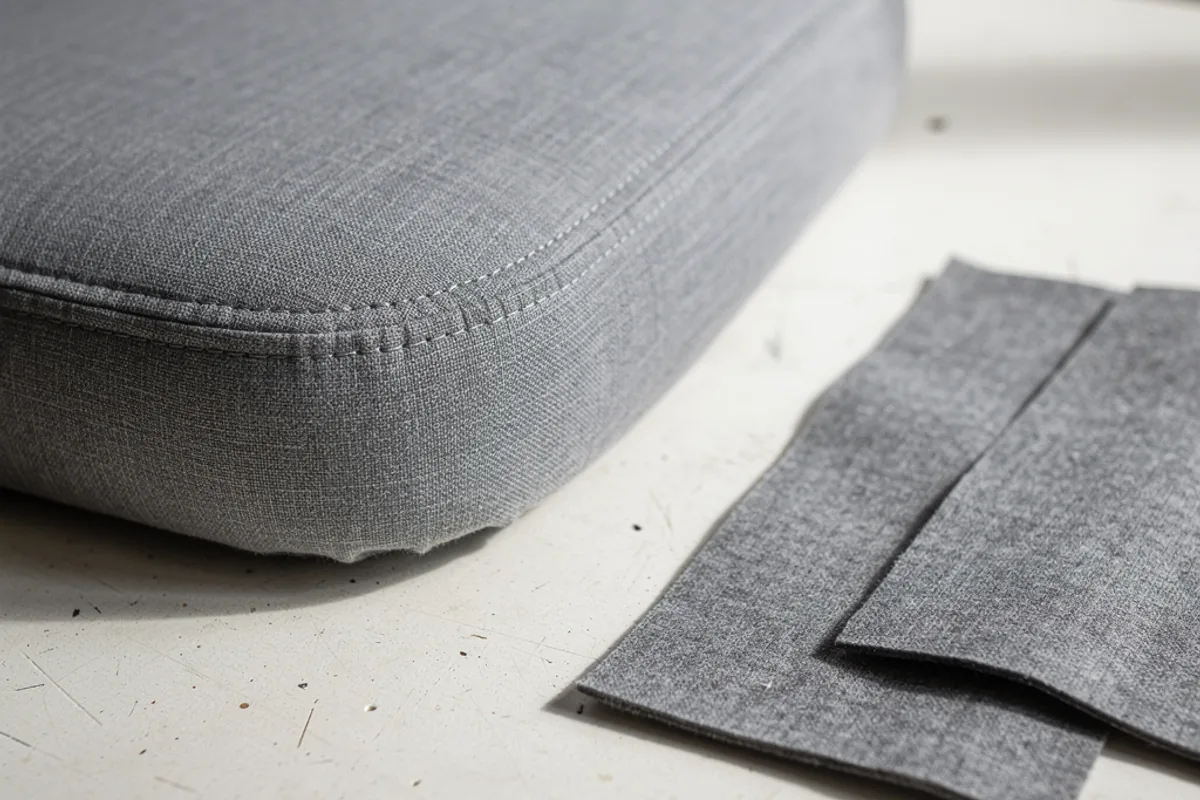
For an upholstered chair, a practical engineering trial can also compare material at the seat’s front edge with material on a less strained panel. For a bag, select an actual corner or handle attachment. These trials supplement a defined laboratory program; they are not substitutes for standardized results or controlled wear history.
An Approval Sequence That Keeps the Evidence Traceable
1. Identify the construction before testing
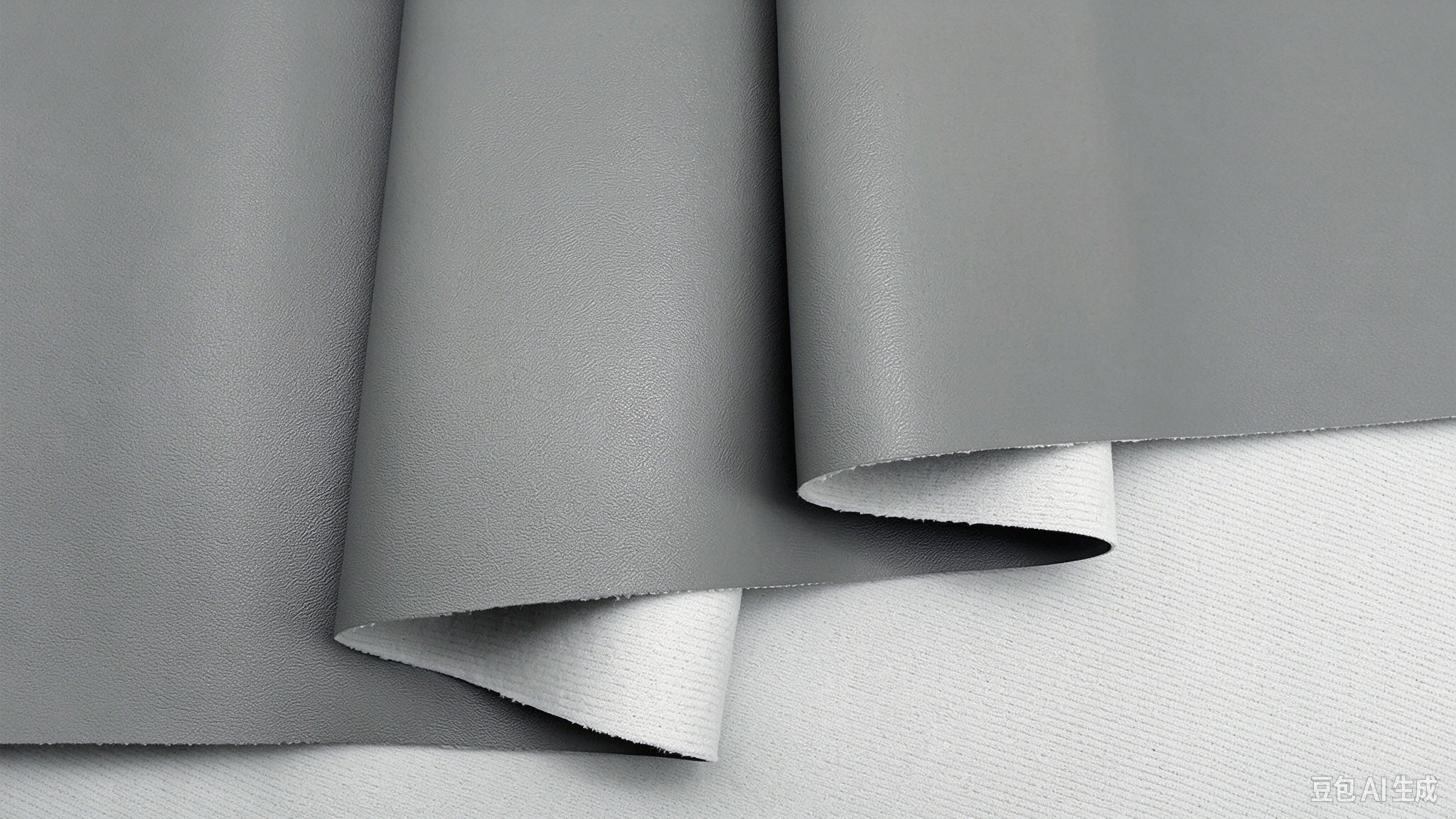
Record the supplier’s material code, color, finish, backing description, total thickness and revision. Ask which layers contain PU and whether the sample represents the proposed production construction. Keep a labeled retained sample with the approved specification.
This does not require demanding a proprietary formula. It requires enough identity information to know when the supplier changes something relevant. A report disconnected from a material code is difficult to use when a later shipment looks similar but behaves differently.
2. Agree acceptance criteria in advance
List the required method and endpoint for each failure mode. Separate compulsory acceptance criteria from exploratory development tests. Document who decides whether a cosmetic change is acceptable, and use agreed reference samples or photographs where appropriate.
Avoid retrofitting a pass level to whichever result arrives first. If the buyer has no established threshold, ask the laboratory and product team to propose one for the application, then approve it before testing begins.
3. Make the real component
Use the intended seam, edge treatment, adhesive, padding and forming process in a representative trial. Record these choices alongside the material identity. The aim is to identify assembly-related problems that a flat swatch cannot answer.
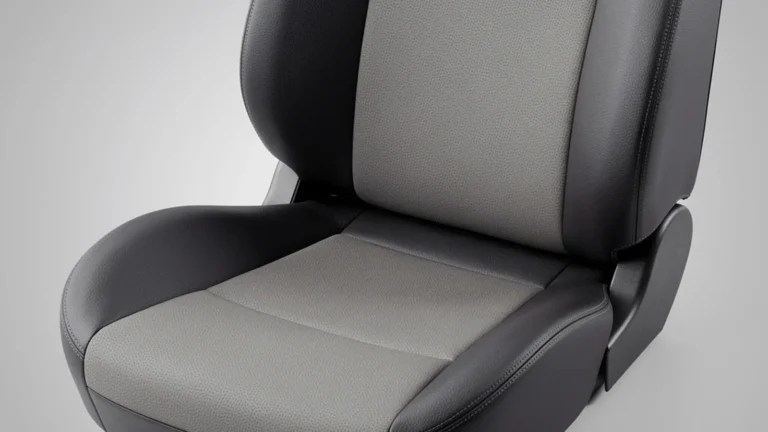
When sourcing PU leather for office chairs, for example, distinguish the seat covering from an arm pad or decorative back panel. Treat approval for one part as evidence for that part, not blanket approval for the entire chair.
4. Close the loop before bulk release
Compare the production sample with the retained approval sample and confirm that the relevant reports still apply. Require notification of changes to construction or finish. Decide in advance which changes trigger a new component trial or laboratory check.
As a hypothetical example, two quotations may both show acceptable initial abrasion results, while only one includes relevant post-ageing adhesion evidence. The correct next step is not to declare that supplier the universal winner. Ask the other supplier for the missing evidence, then compare both against the same acceptance plan.
What to Do When a Sample Starts Peeling
Pause approval of the affected construction and isolate the evidence. Ask where the failure occurred: within a layer, between layers, at the backing, or only near a processed edge. Give the supplier the exposure history rather than just a close-up image.
For development work, change one controlled variable at a time where practical. Keep the original sample, revised sample and test conditions identifiable. A different finish that hides the initial appearance problem should not be accepted without checking whether the underlying concern has been resolved.
Do not treat a cosmetic repair or conditioner as proof that the original durability requirement is met. If repairability matters to the product, evaluate the repaired part under a separately agreed plan and distinguish that result from qualification of new material.
To discuss a sourcing project, send Wandaoleather your application and durability requirements, including the component, environment, cleaning routine and tests you already use. That gives the material discussion a measurable starting point without relying on a promised number of years.
Frequently Asked Questions
How long does PU leather last?
There is no reliable universal lifespan for the label alone. Evaluate the identified construction for its intended use, and distinguish a supplier’s written warranty from laboratory exposure results. Accelerated-ageing weeks should not be read directly as years of service.
Does all PU leather peel?
The label does not establish that a particular product will peel or remain intact. Ask for evidence relevant to coating adhesion, ageing, flexing and the intended cleaning routine rather than accepting a category-wide prediction.
Does a high abrasion rating mean PU leather is durable?
It supports only the reported abrasion result under its stated conditions. It does not establish overall service life or replace the other checks needed for your component and environment.
Is thicker PU leather always more durable?
Do not use total thickness as a substitute for qualification. Compare identified constructions and relevant test results, then confirm that the selected material works in the actual seam, fold or covered edge.
Which tests should buyers request for PU leather?
Select tests against the expected failure modes. Coating adhesion, flex damage, appropriate ageing, abrasion and cleaner compatibility are useful discussion points, followed by a representative component trial. Methods and acceptance criteria should be agreed for the application.
Can a peeling sample be approved after cosmetic repair?
Cosmetic repair alone does not demonstrate that the original requirement has been met. Investigate the cause, identify any construction changes and repeat the relevant checks. Evaluate repaired-part performance separately if repairability is part of the product brief.