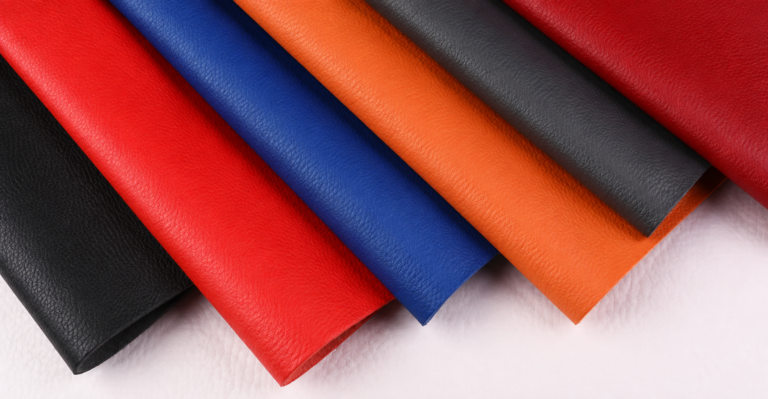
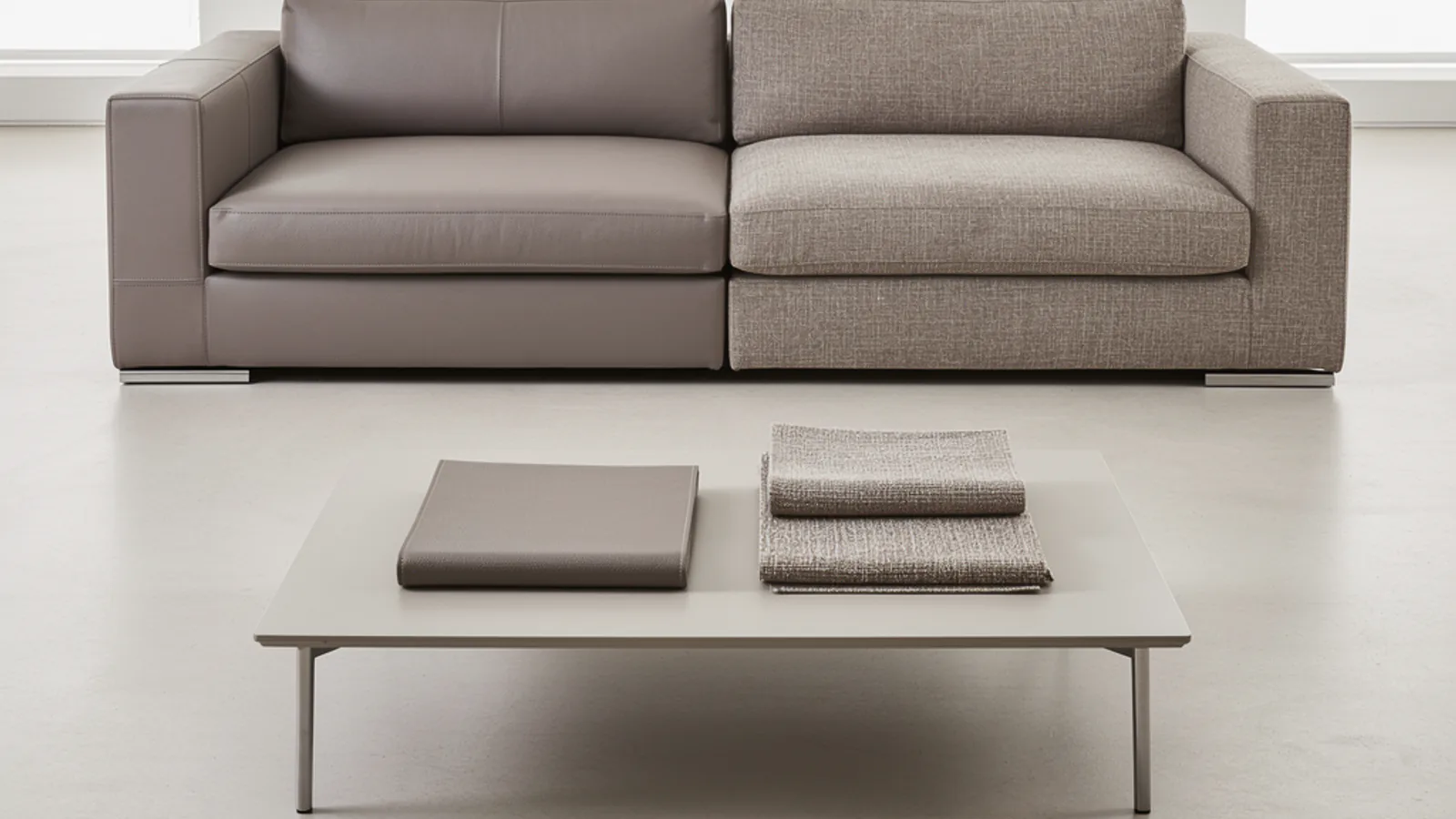
First Define What “Leather Sofa” Means
The word leather can hide several materially different options:
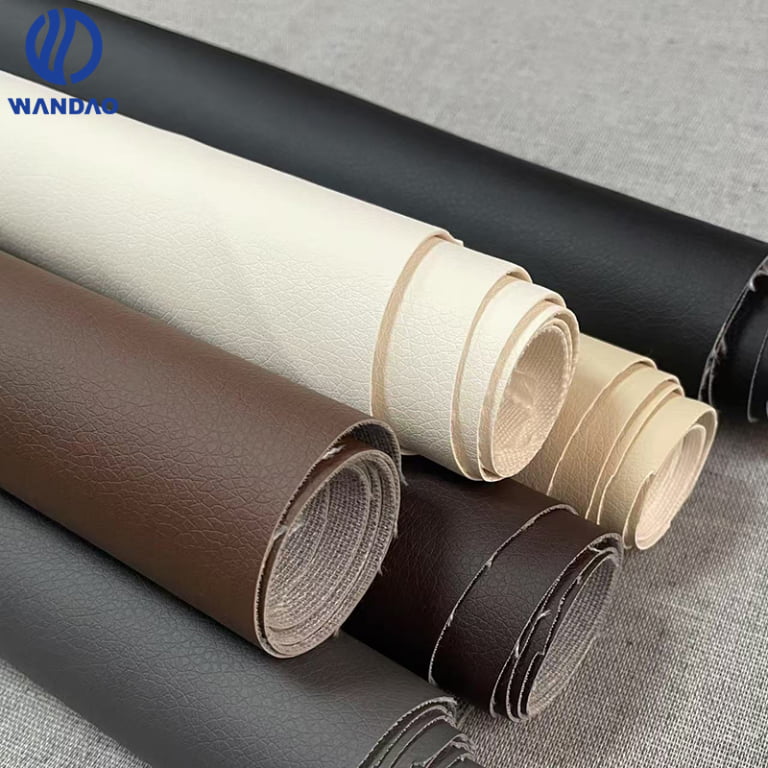
- Natural leather is made from animal hide. Finish type, hide selection, thickness, coating, and cut location affect appearance and behaviour.
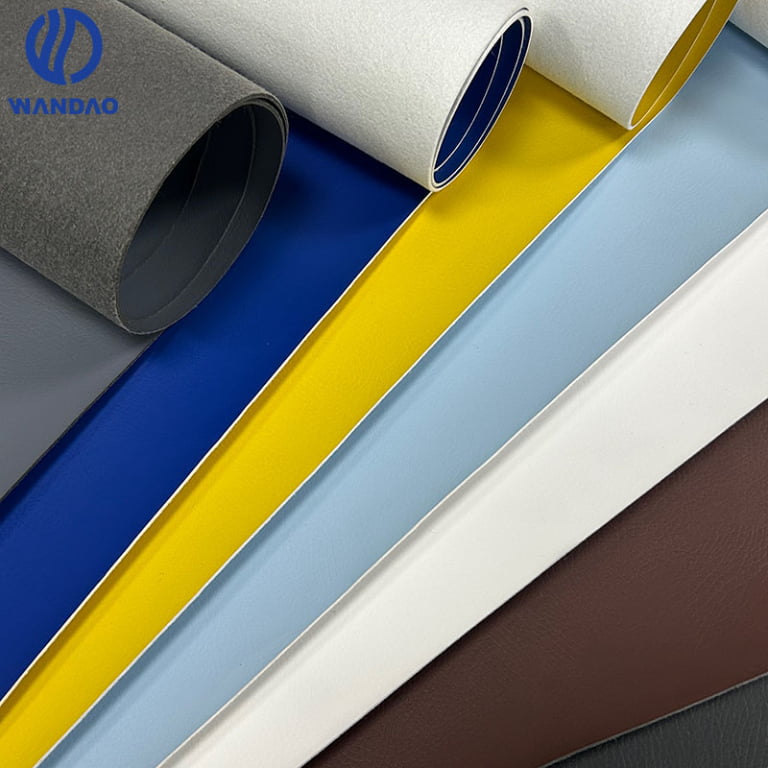
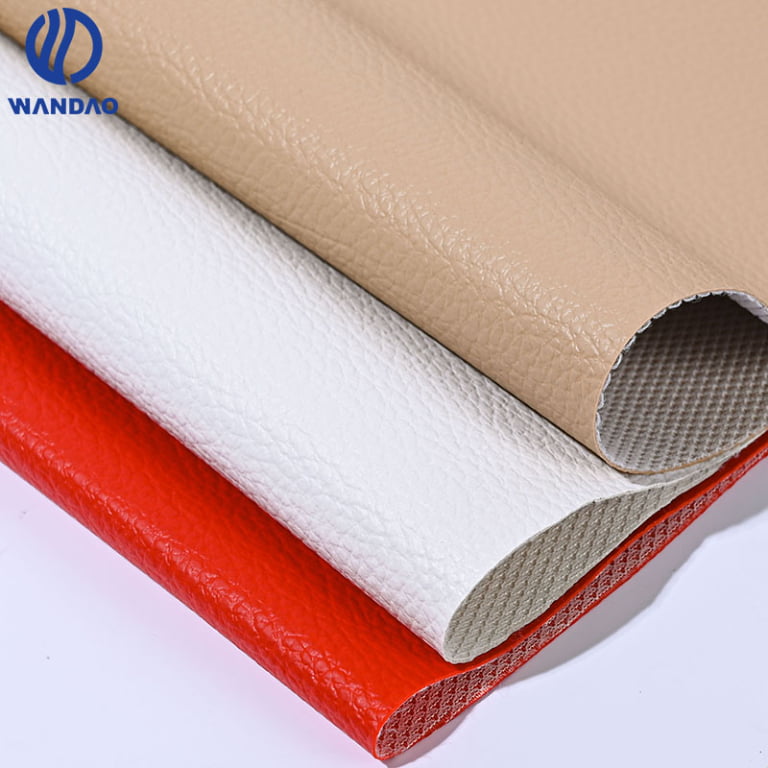
- PU leather generally uses a polyurethane surface or matrix with a textile backing. Backing, PU chemistry, topcoat, and production route vary.
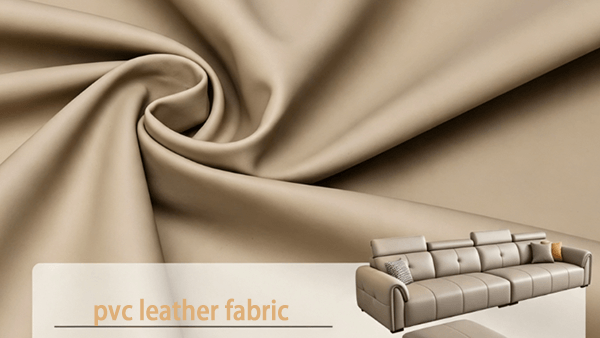
- PVC leather or vinyl upholstery uses a PVC-based surface construction, normally supported by fabric. Plasticizer system, topcoat, backing, and formulation affect performance.
- Microfiber leather normally combines an ultrafine-fiber nonwoven structure with a PU matrix and surface system.
- Silicone leather uses a silicone-based surface system on a supporting substrate, but the complete construction still needs definition.
“Fabric” is equally broad. A sofa textile may be woven or knitted and may use polyester, acrylic, cotton, wool, nylon, blends, pile constructions, backing coatings, stain finishes, or laminations. A comparison between “leather” and “fabric” is useful only after both candidates are converted into actual specifications.
Leather vs Fabric Sofa: The Main Sourcing Differences
| Decision factor | Natural or synthetic leather upholstery | Woven or knitted upholstery fabric | What the buyer should verify |
|---|---|---|---|
| Surface and appearance | Continuous grain, embossing, print, gloss, or matte finish | Yarn colour, weave, knit, pile, pattern, and texture | Approved master under agreed lighting and viewing distance |
| Liquid and soil response | Many finished surfaces wipe readily, but seams, pores, edges, and cleaners matter | Liquids can enter yarn and backing; finishes or removable covers can change the result | Stain type, dwell time, cleaning agent, cycles, and acceptance criteria |
| Heat and moisture feel | Surface chemistry and finish strongly affect initial touch | Air spaces and yarn structure can influence heat and moisture movement | Full seat mock-up in the real climate, not a hand swatch alone |
| Wear mode | Rubbing, finish loss, coating wear, cracking, peeling, colour transfer, seam stress | Abrasion, pilling, fuzzing, snagging, yarn breakage, seam slippage, colour change | Use the correct method family and inspect the actual failure endpoint |
| Manufacturing | Cutting, sewing, skiving, folding, stapling, bonding, wrapping, and tension control | Cutting, pattern alignment, fraying control, sewing, seam allowance, backing, and tension | Component trial on corners, seams, cushions, and high-strain zones |
| Consistency | Engineered surfaces can be visually consistent; natural leather has hide variation | Dye-lot, yarn, pattern repeat, pile direction, and backing can vary | Lot limits, shade bands, roll map, defect rules, and replacement policy |
| Repair and replacement | Panel repair may show shade or grain differences; some surfaces cannot be invisibly repaired | Cushion covers may be removable, but matched fabric may be unavailable later | Service design, spare material, colour continuity, and repair method |
| Cost control | Price depends on material type, construction, yield, defects, and processing | Price depends on fiber, yarn, construction, finish, width, repeat, and yield | Compare qualified cost per finished sofa, not only price per metre |
Which Upholstery Is Easier to Clean?
A finished leather or coated synthetic-leather surface often allows fast removal of ordinary liquid or loose soil before it penetrates. This can be useful for dining areas, hospitality seating, waiting areas, family furniture, and other programs with frequent wipe-downs. The advantage has limits. Perforations, stitching holes, cut edges, damaged topcoats, and open backing can let liquids enter. Alcohol, solvents, oxidizers, oils, dyes, sunscreen, and repeated cleaning may also change gloss, colour, hand, or adhesion.
Fabric cleaning depends on fiber, yarn, construction, dyeing, stain treatment, backing, and whether the cover can be removed. A performance textile with an approved cleaning procedure may be easier to maintain than a delicate coated surface. Conversely, a deep pile or absorbent untreated weave can retain soil and moisture.
The RFQ should therefore name representative stains and cleaning agents, contact time, temperature, number of cleaning cycles, rinse method, and the acceptable change in colour, gloss, touch, staining, odour, and physical integrity. “Easy to clean” is not a test criterion.
Comfort Depends on the Complete Seat System
Fabric is often described as warmer in winter, cooler in summer, or more breathable. Leather-like surfaces are often described as cooler at first contact or easier to slide across. These impressions can occur, but they are not fixed material laws.
Perceived comfort also depends on:
- cover permeability and moisture transmission;
- colour and exposure to sunlight;
- foam density, resilience, thickness, and ventilation;
- batting, barrier, decking, and lamination layers;
- seam placement, quilting, perforation, and surface tension;
- room temperature, humidity, clothing, and length of contact.
A buyer should compare full cushion or seat prototypes after conditioning in the intended environment. A small swatch cannot reproduce pressure distribution, heat build-up, seam feel, cushion recovery, or sound during movement.
Durability Is a Set of Failure Modes
Asking which upholstery “lasts longer” is too broad. A sofa can become unacceptable because of surface wear, colour change, pilling, cracking, peeling, seam opening, stretching, bagging, snagging, staining, cushion collapse, frame movement, or an appearance change that occurs before structural failure.
For an uncoated textile surface, ISO 12947-2 provides a Martindale procedure for specimen breakdown. Its scope explicitly excludes coated fabrics. For coated surfaces, ISO 5470-2 provides wet and dry Martindale abrasion methods. This distinction matters: two cycle counts from different methods are not directly comparable.
Textile pilling also needs its own evaluation. ISO 12945-2 addresses pilling, fuzzing, and matting with a modified Martindale method. ISO 105-X12 covers textile colourfastness to dry and wet rubbing. Woven upholstery may also require tensile and seam checks such as ISO 13934-1 and ISO 13936-2, within their stated scopes.
Natural leather has separate method families. ISO 11640:2018 evaluates leather-surface behaviour under repeated rubbing, while ISO 20433:2024 measures colour transfer by rubbing. Coated synthetic leather may require coating adhesion and accelerated-ageing checks in addition to abrasion. The buyer should state the standard, edition, conditioning, specimen direction, endpoint, and acceptance value.
Why Seams, Corners, and Cushions Change the Result
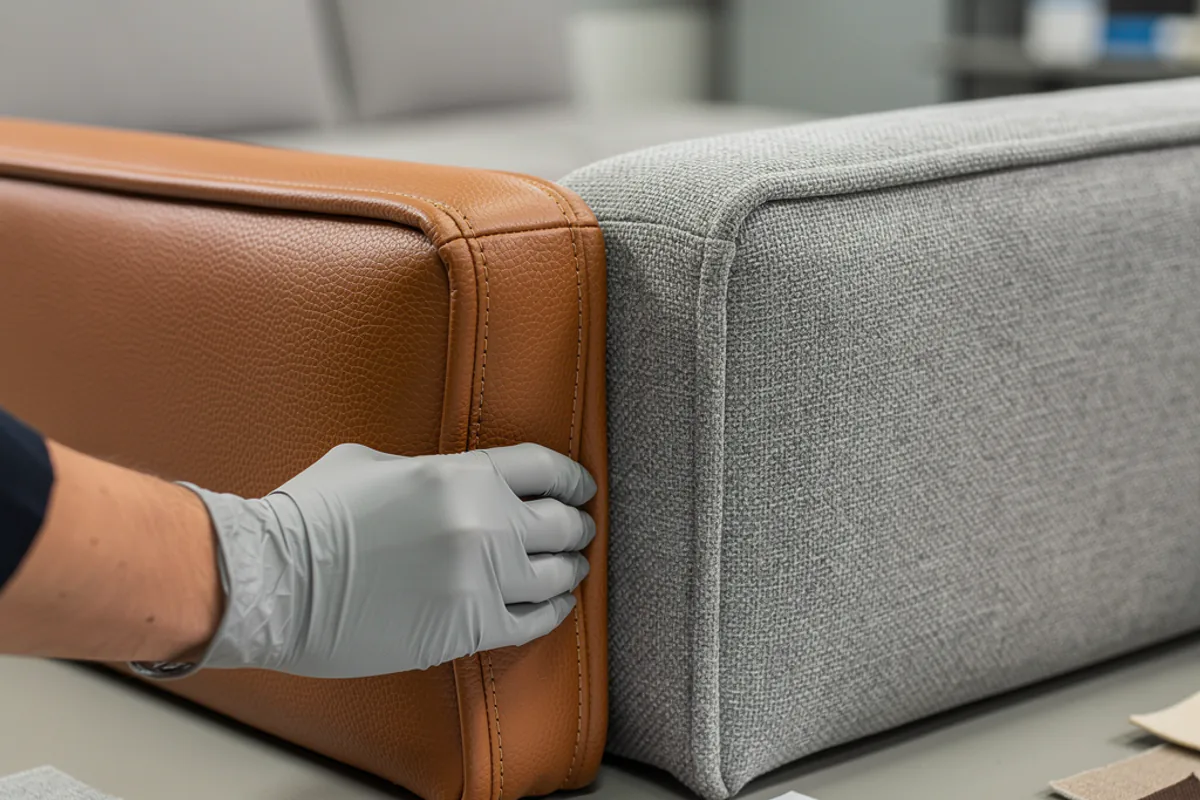
Flat-material data does not show every sofa stress. Upholstery is stretched around foam and frame geometry. Needle holes, thread tension, seam allowance, piping, tufting, quilting, staples, adhesives, sharp radii, and pattern direction create local stress.
Fabric can fail through fraying, yarn slippage, pulled seams, snagging, pile disturbance, or distortion around curves. Leather and coated upholstery can show needle-hole growth, finish whitening, coating cracks, delamination, edge splitting, or permanent stretch. Either category can wrinkle or bag when the cover pattern, tension, foam recovery, or panel direction is wrong.
A useful component trial includes the tightest corner, longest seam, highest-contact seat area, removable cushion closure, and any tufted or perforated feature. Inspect the trial after assembly, conditioning, repeated sitting or mechanical loading, and the planned cleaning procedure.
Flammability and Compliance Belong to the Furniture Construction
A cover material is only one part of an upholstered sofa. Foam, batting, barriers, decking, thread, adhesives, and geometry can affect the applicable test and result.
For US upholstered furniture within scope, the Consumer Product Safety Commission’s guidance explains that 16 CFR Part 1640 incorporates TB 117-2013 and includes methods for cover fabric, resilient filling, barrier, and decking materials. It also includes certification and labeling obligations.
Before testing, identify the selling market, product type, applicable law or customer standard, responsible party, sample construction, report validity, labeling, recordkeeping, and change-control requirements. Do not ask the supplier simply for “fireproof leather” or “fire-retardant fabric.”
Which Material Fits Different Sofa Programs?
Residential sofas
Priorities may include hand feel, appearance, comfort, cleanability, pets, children, removable covers, and repair. Offer the choice through a controlled material library rather than one universal grade.
Hospitality and restaurant seating
Frequent cleaning, food and drink stains, colour transfer, seam contamination, turnover time, and replacement-panel availability become important. Validate the actual cleaner and service routine.
Office and waiting-area seating
Repeated entry and exit, clothing dye transfer, localized abrasion, edge wear, and maintenance access can dominate. Review high-contact zones and the complete seat geometry.
Contract and public-space furniture
The specification may add market-specific flammability, emissions, restricted substances, disinfectant resistance, accessibility, traceability, and documentation. Compliance must be tied to the exact construction and destination.
The Wandao Furniture Leather page is the commercial starting point for synthetic-leather options by furniture application. Material selection still requires an approved sample and project-specific validation.
What Should the Upholstery RFQ Include?
Send suppliers a comparable brief containing:
- sofa type, component, user environment, expected service intensity, and selling market;
- exact material family and construction, including natural leather grade or synthetic surface, backing, textile fiber, weave/knit, finish, and lamination;
- total thickness, mass where relevant, usable width, roll length, pattern repeat, pile direction, stretch direction, and tolerances;
- colour standard, grain or texture, gloss, hand, softness, and viewing conditions;
- cutting, sewing, seam, piping, tufting, quilting, stapling, bonding, wrapping, and removable-cover requirements;
- representative stains, cleaners, disinfection steps, and cleaning-cycle acceptance criteria;
- named physical, colour, ageing, emission, chemical, and flammability methods with editions and pass criteria;
- approved swatch and component-sample IDs, shade limits, defect rules, lot traceability, inspection sampling, packaging, and change notification;
- order quantity, usable yield, replacement-material policy, delivery schedule, and destination.
Compare total qualified cost per finished sofa. A cheaper cover can create extra waste, slower sewing, lower yield, more rework, or earlier complaints. A more expensive cover is not automatically better if it cannot pass the required component trial.
Frequently Asked Questions
Is a leather sofa more durable than a fabric sofa?
Not automatically. Natural leather, synthetic leather, and textile fabric have different constructions and failure modes. Durability depends on the exact cover, sofa design, use, cleaning, environment, test method, and acceptance criterion.
Is fabric more breathable than leather upholstery?
Many uncoated textiles allow more air movement than continuous coated surfaces, but fiber, weave, backing, finish, foam, lamination, and seat design affect the result. Confirm the required transmission method and test the full cushion when comfort matters.
Is synthetic leather waterproof on a sofa?
The surface may resist ordinary spills, but the finished sofa is not automatically waterproof. Perforations, seams, needle holes, edges, backing, damage, pressure, and exposure time can allow liquid to enter.
Which upholstery is easier to clean?
Many finished leather-like surfaces wipe clean quickly, while some performance fabrics use stain finishes or removable covers. Test the real stain, cleaner, contact time, number of cycles, and acceptable appearance change for each candidate.
Can Martindale abrasion numbers compare leather and fabric directly?
Not unless the method, specimen, pressure, abradant, endpoint, and material scope match. ISO 12947-2 excludes coated fabrics, while ISO 5470-2 addresses coated surfaces. A higher number from a different method is not a direct ranking.
What samples should a sofa manufacturer approve before bulk production?
Approve a controlled material swatch, colour and texture master, relevant test specimen, and a finished component trial covering seams, corners, high-contact zones, cleaning, and attachment details. Record revision and lot identity for bulk inspection.
Choose the Upholstery System, Not Just the Surface Name
The best leather vs fabric sofa decision begins with the product environment and ends with a controlled component trial. If your project uses synthetic leather, send Wandao Leather the sofa type, component drawing, target surface, cleaning method, processing details, market, and test requirements. The sample discussion can then focus on a construction that fits the furniture program.